Appliance and Washer Hose Leaks in Charlestown, MA
In attached and apartment buildings a washer or dishwasher leak can travel into the home below, so the wet area is traced and then dried on both levels.
(888) 629-3140Call about a washer or dishwasher leak- Source traced
- Both levels dried
- Cabinets checked
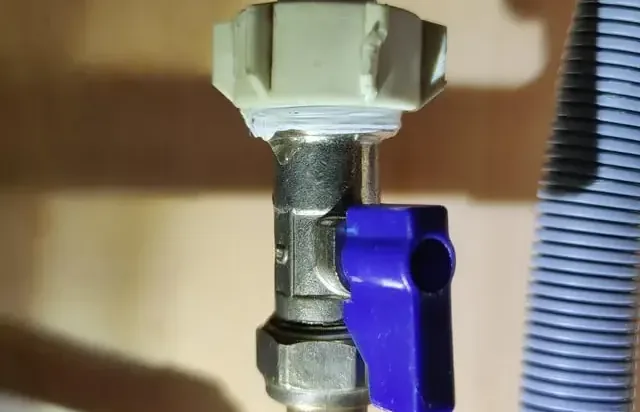
First moves after appliance and washer hose leaks
Safety comes first: stay clear of standing water near outlets, any sewage odor and sagging ceilings, and call before going closer.
- 1
Close the valves
Supply valves behind the appliance are shut, and the unit is unplugged if safe.
- 2
Pull the appliance
Moving it out shows the wall and floor behind it.
- 3
Check below
A neighbor or lower floor may show stains, so the area is inspected.
- 4
Photograph first
Pictures of the hose, floor and stains support the claim.
What does appliance and washer hose leaks cost in Charlestown, MA?
Appliance and hose leaks run from $1,200 to $15,000, depending on how long the leak ran and where it traveled. A fresh leak in one room is cheapest, and a slow leak that reached the unit below costs the most.
These ranges reflect typical jobs and are not a quote. Water category, square footage, material class and how soon drying began drive the total; the water damage cost calculator gives a closer range and the walkthrough sets the scope.
Appliance and Washer Hose Leaks handled to the drying standard
Trace
The leak and its route are found.
Extract
Standing water is removed.
Open
Cabinet bases and flooring are lifted.
Dry
Equipment dries every level.
How a appliance and washer hose leaks dry-out moves from wet to dry
- 1
Find every wet spot
Infrared scans and moisture meters mark where the water went before any equipment is placed.
- 2
Get the water up
Extraction wands and pumps clear floors and pad first, since leftover water only stretches the drying.
- 3
Dry the air and the structure
Air movers sweep moisture out of walls and subfloor while LGR dehumidifiers pull it from the room.
- 4
Confirm it with numbers
Readings are taken daily against dry material, and the job closes when they agree within 2 to 4 points.
A cracked hose or a worn seal can leak steadily for days before anyone sees it. In a building with attached homes, that water can run along a floor, through a ceiling and into the unit below, so the wet area is traced on both levels.
Where appliance water hides
- Under cabinets and behind toe kicks.
- Beneath vinyl, laminate or hardwood flooring.
- Inside the wall behind a washer.
- In the ceiling of the room below.
A moisture meter and a thermal camera find these spots without tearing everything open.
How the leak is dried
Standing water is extracted first, then loose flooring and wet cabinet bases are lifted so air can reach the subfloor. Air movers and dehumidifiers run until the readings match dry areas, and water heater leak cleanup follows similar steps for a failed tank.
Slow leaks and hose failures
A slow leak is easy to miss, and a sudden hose burst puts out a lot of water quickly. Both need the same careful tracing, and the main appliance leak service outlines the broader process.
Appliance and washer hose leaks across Charlestown, MA
Appliance leak work covers kitchens and laundry areas in row houses and apartment buildings from Monument Square to Sullivan Square, and the shared walls and ceilings below them.
The same service nearby: appliance and washer hose leaks in Chelsea, East Boston, Everett.
Water damage restoration in Charlestown · every area covered
Appliance and Washer Hose Leaks questions in Charlestown, MA
Water still coming through?
Appliance water travels, so both levels should be checked soon.
Phone about the washerHow do I tell if a washer hose has been leaking?
Look for damp flooring, a musty smell, soft spots near the washer and rising water use. A moisture meter confirms what the eye cannot see.
Can the water reach my neighbor?
Yes, in attached buildings water follows framing and ceilings into the home below, so the crew checks both levels and records where the water ended up.
Should the appliance be moved?
Once it is shut off and unplugged, moving it helps the crew reach the wet wall and floor. Heavy appliances are moved carefully so wet flooring is not damaged further.
Are cabinets always replaced?
Not always. If the bases are lifted and dried early, many can stay, but cabinets that soaked for a long time often swell and need replacing.
Can a dishwasher leak ruin a hardwood floor?
It can cup or buckle if it stays wet, but quick extraction and drying often save it. Readings show whether the boards have dried enough to keep. See water extraction.
Washer or dishwasher leaking? Phone the drying crew
Describe the appliance, the rooms that are wet and whether a neighbor below sees stains, and the crew will plan tracing and drying.
(888) 629-3140Phone about the appliance