Water Extraction and Removal in Charlestown, MA
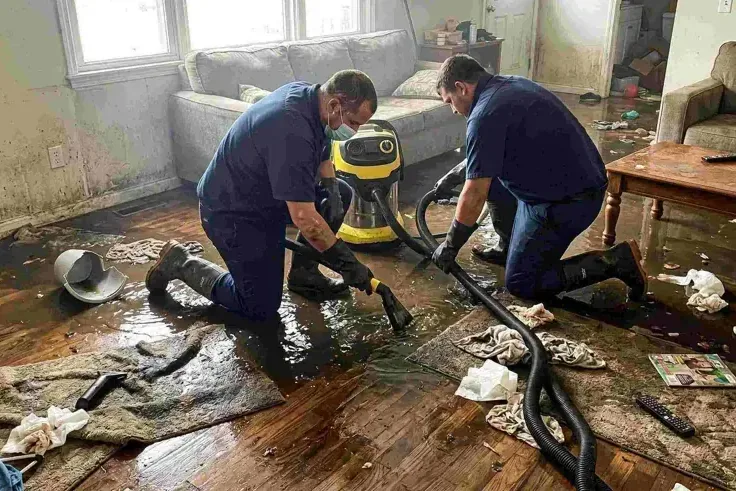
Standing water from a storm tide, a failed fixture or a leak is pumped and wanded out first, because the longer it soaks, the deeper it travels into floors and framing.
(888) 629-3140Get the extraction crew on the phone- Pumps and wands
- Clean to Category 3
- Moisture checked
First moves after water extraction and removal
Safety comes first: stay clear of standing water near outlets, any sewage odor and sagging ceilings, and call before going closer.
- 1
Stay out of deep water
Power to wet areas is switched off, and deep water is left alone until its type is known.
- 2
Call for extraction
The crew asks where the water came from, how deep it is and which rooms it reached.
- 3
Lift and photograph
Small items go up off the floor, and photos record the water before anything moves.
- 4
Let the crew pull it
Pumps and wands remove the water while the crew notes which materials stay wet.
What does water extraction and removal cost in Charlestown, MA?
Extraction on its own usually runs from $1,200 to $18,000, depending on how much water there is, how long it stood and whether it is Category 3. Tidal or sewage water sits at the high end.
These ranges reflect typical jobs and are not a quote. Water category, square footage, material class and how soon drying began drive the total; the water damage cost calculator gives a closer range and the walkthrough sets the scope.
Water Extraction and Removal handled to the drying standard
Assess
Water type and depth are checked.
Extract
Pumps and wands remove standing water.
Measure
Moisture meters map the wet materials.
Hand off
Drying equipment is set for the next stage.
How a water extraction and removal dry-out moves from wet to dry
- 1
Find every wet spot
Infrared scans and moisture meters mark where the water went before any equipment is placed.
- 2
Get the water up
Extraction wands and pumps clear floors and pad first, since leftover water only stretches the drying.
- 3
Dry the air and the structure
Air movers sweep moisture out of walls and subfloor while LGR dehumidifiers pull it from the room.
- 4
Confirm it with numbers
Readings are taken daily against dry material, and the job closes when they agree within 2 to 4 points.
Pulling water out fast is the first job on almost every loss. City planning materials describe significant water-adjacent parts of Charlestown as filled land, and in March 2018 tidal water stood from about six inches to about 3 feet deep at the Navy Yard, Terminal Street and the Schrafft's lot.
How the water comes out
- Truck mounted and portable extractors pull water from hard floors and carpet.
- Wands and squeegee tools reach edges, corners and the space under furniture.
- Submersible pumps clear deeper water from low spaces.
- Carpet padding that cannot be saved is lifted and removed.
Once the bulk of the water is out, a moisture meter shows how far it traveled into walls and subfloors.
When tide or storm water is involved
Tide and storm water is Category 3, so protective gear and cleaning come before drying, and soaked porous materials usually go out with the water. The same crew moves on to structural drying once nothing is standing, and coastal flood cleanup covers the contaminated cases in full.
What happens after extraction
Extraction is only half of the work. Wet drywall, insulation and flooring still hold moisture, so air movers and dehumidifiers go in as soon as the pumps come out, before mold has a chance to start.
Water extraction and removal across Charlestown, MA
Extraction runs across the Navy Yard, Terminal Street, Medford Street and the streets around Sullivan Square and Monument Square, plus the apartment buildings and row houses in between.
The same service nearby: water extraction and removal in Chelsea, East Boston, Everett.
Water damage restoration in Charlestown · every area covered
Water Extraction and Removal questions in Charlestown, MA
Water still coming through?
Standing water soaks deeper the longer it sits, so early extraction matters.
Phone about extractionHow is water extraction different from drying?
Extraction physically removes standing and pooled water with pumps and wands. Drying then pulls out the moisture that soaked into drywall, wood and subfloors, using air movers and dehumidifiers.
Does extraction work on carpet?
Often, yes. Wands pull water out of carpet and padding, but padding soaked with contaminated water is usually cut out and removed instead of being saved.
Is tidal water handled differently?
Yes, because it carries street debris and sewage. It is treated as Category 3, so the crew wears protective gear, removes soaked porous items and cleans the hard surfaces.
What happens if water stood for days?
Longer standing time pushes water into framing and raises the chance of mold, so moisture readings decide which materials come out. The structural drying step handles what remains.
Can extraction start before the leak is fixed?
When the source is stopped, extraction is simple. If a pipe is still running, the crew works while the shutoff is found, since burst pipe water damage keeps adding water until it is closed.
Water on the floor? Get the extraction crew moving
Describe the water, its source and the rooms affected, and the crew will plan pumps, wands and drying equipment for the job.
(888) 629-3140Start with a phone call