Water Extraction in Everett, MA
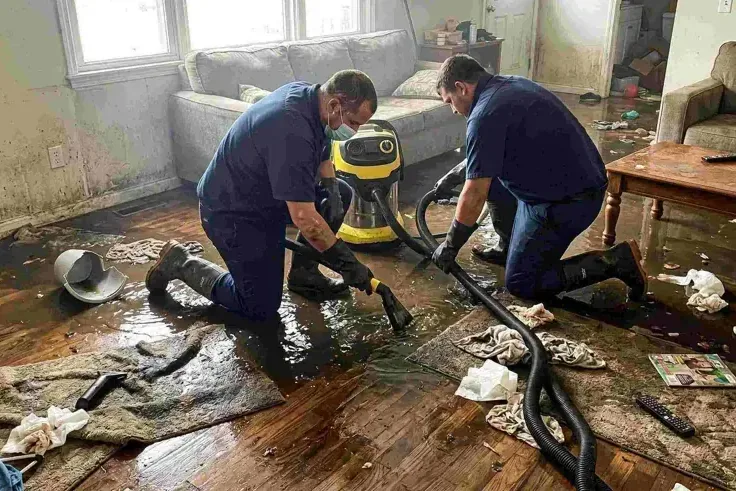
Standing water is pumped and wanded off the floor first, because the longer it sits the deeper it travels into subfloors, trim and the base of every wall.
(888) 629-3140Water on the floor? Get the pumps started- Pumps and wands
- Carpet and hardwood
- Metered before finishing
First moves after water extraction and removal
Safety comes first: stay clear of standing water near outlets, any sewage odor and sagging ceilings, and call before going closer.
- 1
Find the water source
Shut the valve or stop the supply if it is safe, so the pumps are not working against a running leak.
- 2
Switch off the power
Keep clear of standing water near outlets, cords and appliances until the circuit is dead.
- 3
Photograph the damage
Take clear pictures of the water level, wet belongings and affected walls before anything is moved.
- 4
Call for pumps
Say how deep the water is and which floor it covers, so the right extraction gear is loaded.
What does water extraction and removal cost in Everett, MA?
Extraction itself is a modest part of the bill, and the range follows depth, floor area and the category of the water. Clean water in one room costs the least, while Category 3 water costs the most.
These ranges reflect typical jobs and are not a quote. Water category, square footage, material class and how soon drying began drive the total; the water damage cost calculator gives a closer range and the walkthrough sets the scope.
Water Extraction and Removal handled to the drying standard
Assess
Depth, spread and water type are noted before pumps start.
Extract
Pumps clear standing water while wands lift it from carpet.
Check
Meters find moisture the extraction left behind.
Hand off
Wet materials come out and drying equipment goes in.
How a water extraction and removal dry-out moves from wet to dry
- 1
Find every wet spot
Infrared scans and moisture meters mark where the water went before any equipment is placed.
- 2
Get the water up
Extraction wands and pumps clear floors and pad first, since leftover water only stretches the drying.
- 3
Dry the air and the structure
Air movers sweep moisture out of walls and subfloor while LGR dehumidifiers pull it from the room.
- 4
Confirm it with numbers
Readings are taken daily against dry material, and the job closes when they agree within 2 to 4 points.
Pulling water out comes before everything else in a water loss, and it sets how much drying follows. With a listed elevation of 9.8 feet beside the Mystic River and a shoreline built out by landfill, Everett can take water from a burst pipe indoors or from a storm tide outside, and the first job is the same either way.
What the extraction crew brings
- Truck-mounted units for large volumes of water
- Portable pumps for stairwells and tight rooms
- Weighted wands that lift water from carpet and pad
- Moisture meters to find what pumping missed
Standing water goes first, then the wands work the carpet and padding so less moisture is left for the dehumidifiers to pull from the air.
Why speed matters on wet floors
Water does not stay on the surface. It wicks up drywall, soaks under baseboards and slips through seams into the subfloor, and material that stays wet for 24 to 48 hours becomes a mold risk. Early extraction shortens the dry-out and often saves flooring that would otherwise come out.
After the water is out
Extraction is rarely the end of a job. Readings are taken in the floors and walls, wet layers that cannot be saved are removed, and a structural drying plan begins. The full set of local water damage services covers what comes next.
Water extraction and removal across Everett, MA
Extraction crews work throughout the city, including buildings along Broadway, Glendale and Woodlawn, and low ground near the Island End River where pumped water needs a clear path out.
The same service nearby: water extraction and removal in Chelsea, Malden, Charlestown.
Water Extraction and Removal questions in Everett, MA
Water still coming through?
Water standing on the floor? Tell the extraction crew the depth and the rooms.
Call the pump crewHow much water can the pumps remove?
Truck-mounted units move large volumes quickly, while portable pumps handle stairwells and small rooms. The crew picks gear by the depth of the water and how easy the room is to reach.
Does the carpet always have to come up?
No. Clean water caught early can often be extracted from carpet and pad and dried in place. Gray or black water means the pad is replaced and the carpet may go too.
What if the water came from the unit above?
The source is stopped first, then water is extracted from every space it reached, including the ceiling and walls of the unit it fell into.
Why take readings after pumping?
A floor that looks dry can still hold moisture in the subfloor and wall bases. Readings show where water remains, so drying equipment goes where it is needed.
Can extraction happen during a storm?
Yes, when it is safe. Storm water that enters a building is treated as contaminated, so the crew wears protective gear and removes it first.
Is extraction the same as drying?
No. Extraction removes liquid water. Drying removes the moisture held in wood, plaster and drywall, and it takes air movers and dehumidifiers over several days.
Standing water gets harder to remove with time
Describe the depth, the rooms affected and where the water started, and the extraction crew loads the right gear.
(888) 629-3140Start pumping the water out