Basement Flooding Cleanup in Chelsea, MA
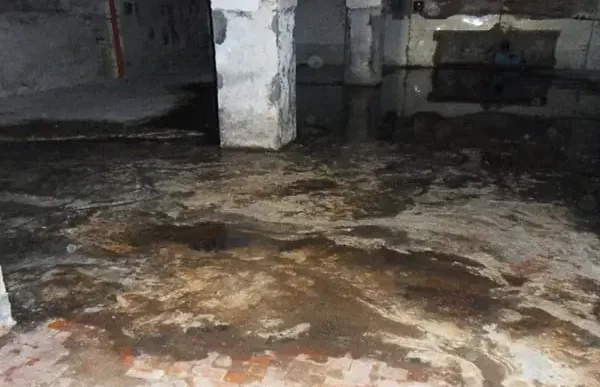
The response team pumps out flooded basements, cuts back wet finishes and dries the masonry, framing and stored contents, whether the water came up a drain, through a wall or down from above.
(888) 629-3140Basement taking on water? Bring the pumps now- Submersible pump-outs
- Category 3 drain water handled
- Masonry drying
What to do first about basement flooding cleanup
Do only what feels safe. Water near an outlet, a sewage smell or a sagging ceiling means stepping back and calling first.
- 1
Stay off the stairs
Do not wade into a basement with water near the boiler, the panel or outlets.
- 2
Shut the source
Close the main if a pipe or heater is leaking; a drain backup needs the fixtures upstairs left unused.
- 3
Stop using drains
No laundry, showers or flushing until the backup is cleared.
- 4
Photograph the level
Take pictures of the waterline on walls and stored items before anything moves.
What does basement flooding cleanup cost in Chelsea, MA?
Basement flooding cleanup in Chelsea usually costs $2,000 to $10,000, and more when the water is Category 3 or the basement is finished wall to wall. Square footage, materials and the water source move it most.
Ranges are typical, not a quote: the category of water, square footage, material class and how fast drying started move the number most. The water damage cost calculator narrows it; the moisture map on the walkthrough decides it.
How basement flooding cleanup is handled, step by step
Pump
Submersible pumps clear standing water.
Strip
Wet finishes come out to a clean cut.
Treat
Category 3 areas get an antimicrobial.
Dry
LGR units dry masonry and framing.
The four stops of every basement flooding cleanup dry-out
- 1
Trace and measure
A thermal camera and a pinless meter show how far the water travelled before a single fan is placed.
- 2
Pull the water out
Truck-mounted extraction empties floors and carpet pad first, because every gallon left behind adds drying days.
- 3
Move the air, pull the humidity
Air movers push moisture out of plaster, framing and subfloor, and LGR dehumidifiers take it out of the room air.
- 4
Read it dry, then log it
Daily readings are compared with an unaffected room, and drying stops when the numbers sit within 2 to 4 points.
About half of the homes in Chelsea were built in 1939 or earlier, and many sit over old masonry basements that hold boilers, water heaters, laundry and storage. When water gets in, it pools on the slab, soaks the bottom of finished walls and wicks into the masonry. The mitigation team starts by finding out where it came from, because that decides the water category.
Where basement water comes from here
- A floor drain pushing back during a heavy storm on the combined sewer system
- Seepage through old foundation walls after long rain or snowmelt
- A failed water heater, washer hose or burst pipe overhead
- Tidal or storm water on the lowest streets near the waterfront
Drain and tidal water are Category 3 from the start. Clean supply water is Category 1, but it degrades if it sits.
Cleanup and drying for old masonry basements
Pumps clear the standing water, then wet carpet, paneling and the lower drywall come out to a clean, level cut. Masonry and concrete hold water longer than wood, so dehumidifiers run until the readings match a dry reference. The EPA flooded homes page explains what stays and what goes.
Before the next storm
Keep stored items on shelves, know where the floor drain is and watch National Weather Service flood safety alerts. If a drain backs up, the sewage backup cleanup page covers what happens next.
Basement flooding cleanup across Chelsea, MA
The restoration team covers ZIP 02150 from Bellingham Square out to Admirals Hill, Mill Hill, Prattville, the Box District, Addison-Orange and the low streets along the creek and the Island End River.
Nearby coverage reaches East Boston, Everett, Charlestown, Winthrop, Malden, Revere.
Related water damage services
Basement Flooding Cleanup questions in Chelsea, MA
Still dealing with it?
Water in the basement right now? The pump-out crew runs 24/7.
Book a basement pump-outIs basement flooding cleanup different from a regular leak?
Often, yes. Basement water is frequently drain or storm water, which is Category 3, and old masonry walls hold moisture longer than drywall, so drying takes more days.
Can the stored boxes and furniture be saved?
Hard items like metal, glass and sealed plastic can be cleaned. Cardboard, upholstered furniture and paper soaked by Category 3 water are usually discarded and photographed for the claim.
Why does my basement flood in heavy rain?
In older neighborhoods the sewers carry rain and sewage together. A large storm can overload them and push water back up through the lowest drain in the building.
How long does a flooded basement take to dry?
Four to eight days is common. Concrete and masonry release water slowly, and the drying team keeps equipment running until readings match a dry reference.
Is basement flooding cleanup covered by insurance?
It depends on the source and your policy. Sudden pipe or appliance water is often covered, sewer backup may need an endorsement, and storm or tidal water needs flood coverage.
Basement holding water after the storm? Get the pumps running.
Old masonry and stored contents soak up water fast. The response team pumps it out and dries it to standard.
(888) 629-3140Pump out the flooded basement now