Water Damage Restoration Charlestown, MA
A Mystic River tide, a split pipe in a row house or a sewage backup in an apartment building all start the same way. The restoration team extracts the water, opens wet areas and dries the structure.
(888) 629-3140Phone the drying crew about your leak- Extraction and drying
- Residential and commercial
- Any hour of the day
Serving ZIP 02129, a neighborhood of the City of Boston in Suffolk County, from the Navy Yard to Sullivan Square.
What to do right after water enters a building
- 1
Stop the source
Close the main valve or the appliance supply if it is safe, and switch off power to wet areas.
- 2
Call early
Phone the restoration team and describe what is wet, what caused it and how long water has stood.
- 3
Move valuables up
Lift small items, papers and electronics off wet floors, and keep people and pets away from sewage or tide water.
- 4
Photograph everything
Take photos and short videos of the water, the damaged items and the source before anything is moved or thrown out.
- 5
Leave drying to the crew
Household fans rarely dry walls evenly, while the crew measures moisture and places equipment to reach hidden spots.
Water damage services for homes and buildings
Twelve services cover the usual ways water gets in, from tidal flooding and burst pipes to leaking appliances, roofs and wet offices. Each card opens a full service page.
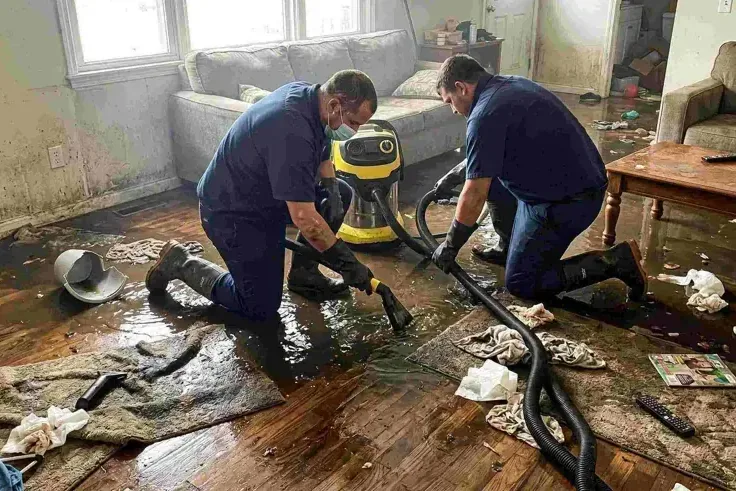 Water Extraction and RemovalPumps and wands pull standing water from floors and carpet before it soaks into framing.
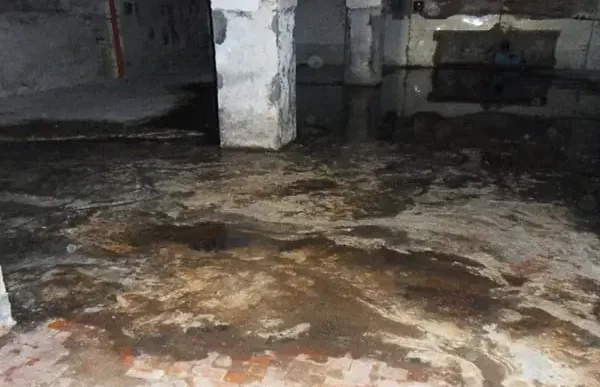 Basement Flooding CleanupWhere rain ponds into a below grade space, the water is pumped out and the area dried.
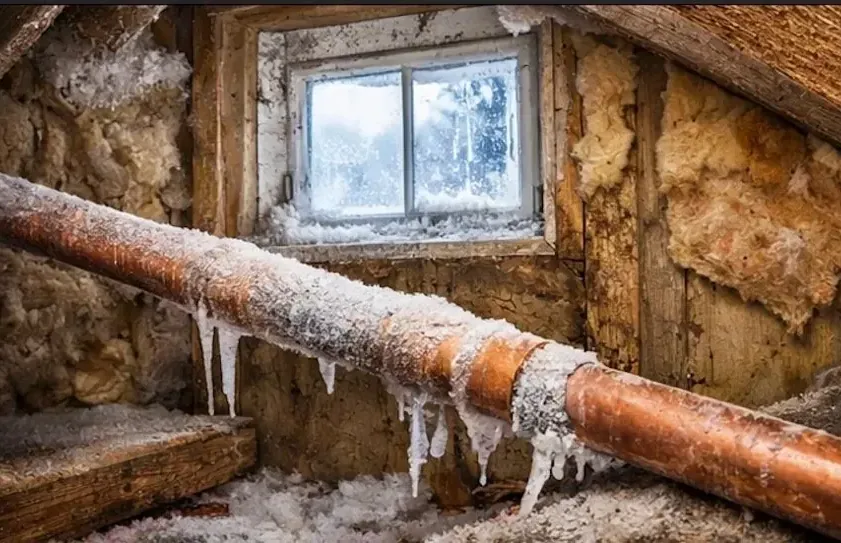 Frozen Pipe Water DamageA thawed pipe floods fast, so the water is stopped, extracted and the wall dried.
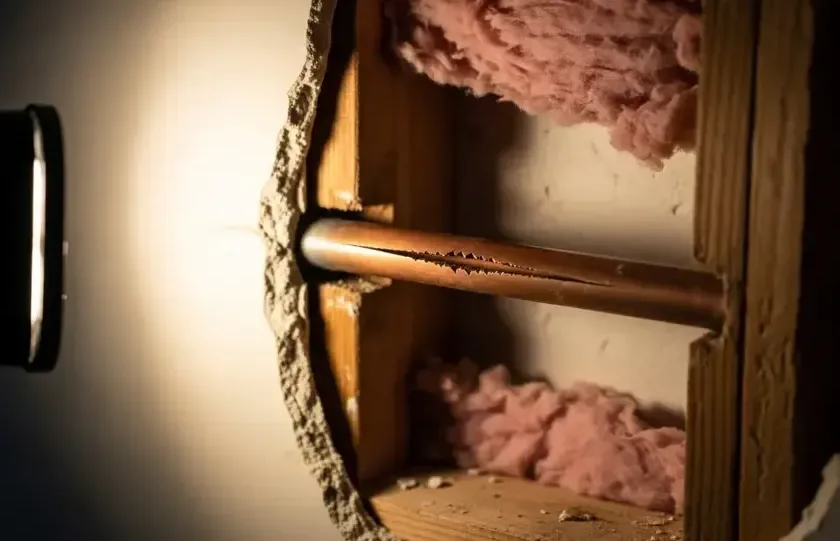 Burst Pipe Water DamageHidden leaks soak walls and ceilings below, so wet areas are traced and opened up.
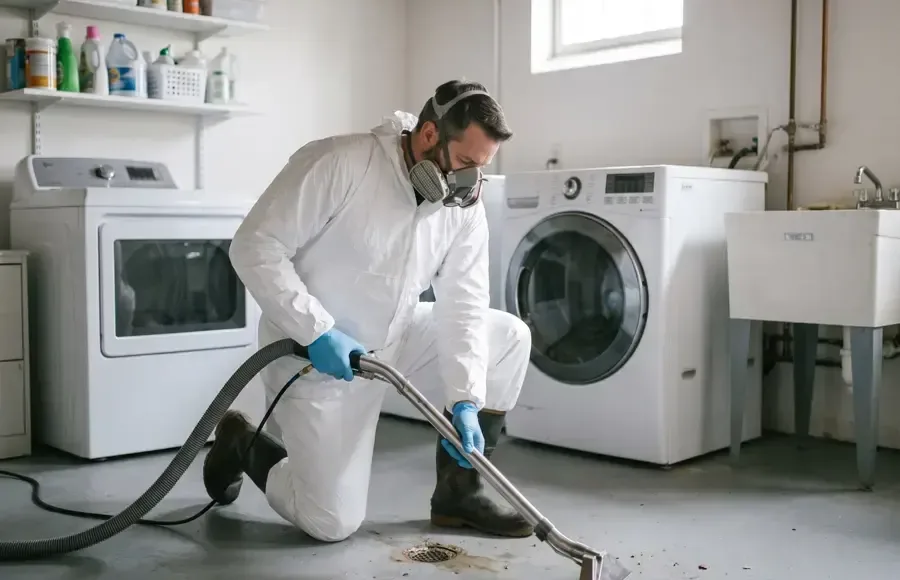 Sewage Backup CleanupSewage is contaminated water, so the area is isolated, soaked porous materials removed and surfaces cleaned.
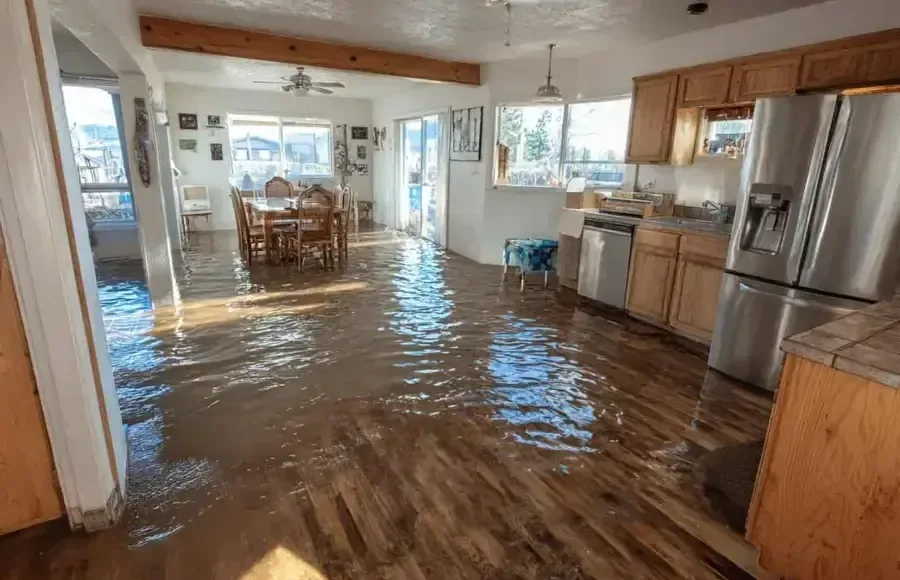 Coastal and Tidal Flood CleanupStorm tide water is treated as contaminated and cleaned from the very first step.
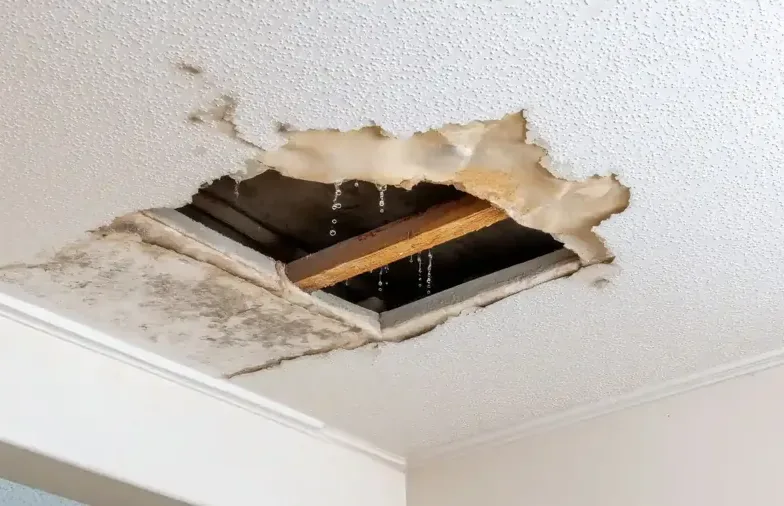 Roof Leak and Ice Dam Water DamageLeaks are traced from the roof down, then wet insulation and ceilings are dried.
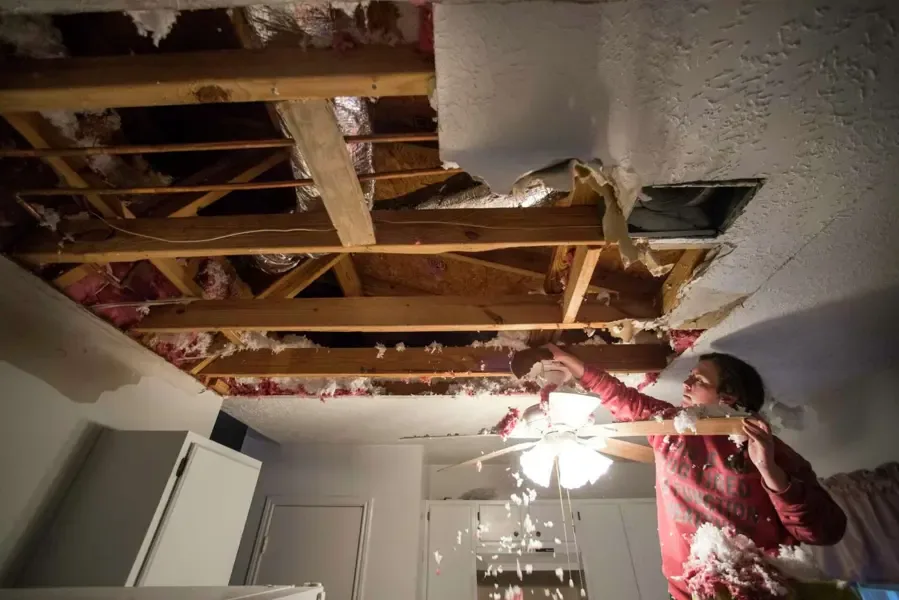
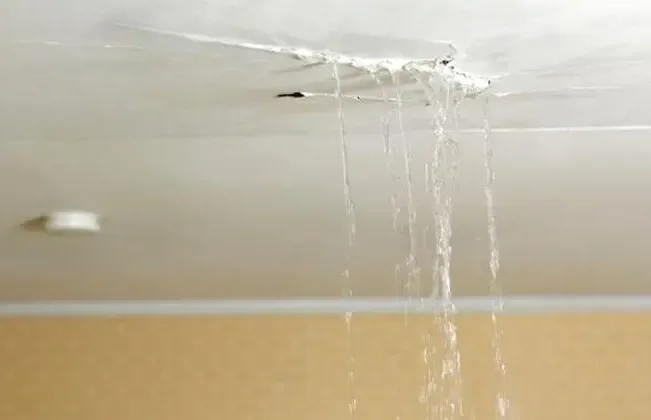 Ceiling Leak Water DamageCeiling leaks are opened carefully, and the rooms above and below are checked and dried.
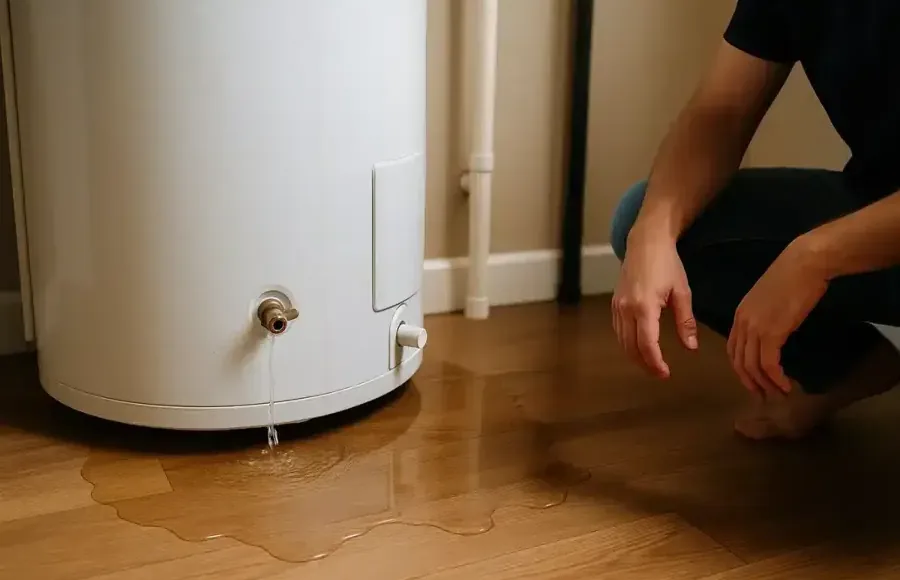 Water Heater Leak CleanupA failed tank is pumped out before water reaches framing and stored items.
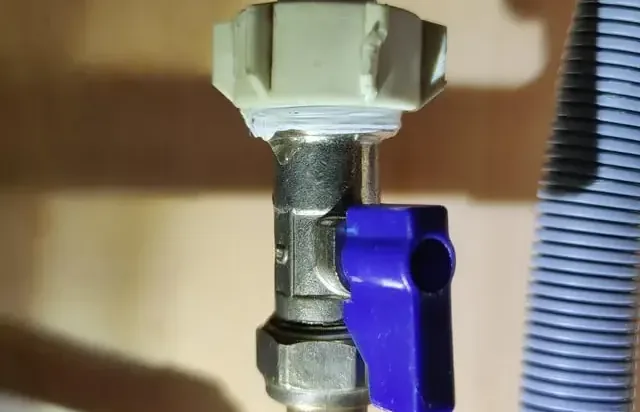 Appliance and Washer Hose LeaksWasher, dishwasher and hose leaks are traced and dried on every level they reach.
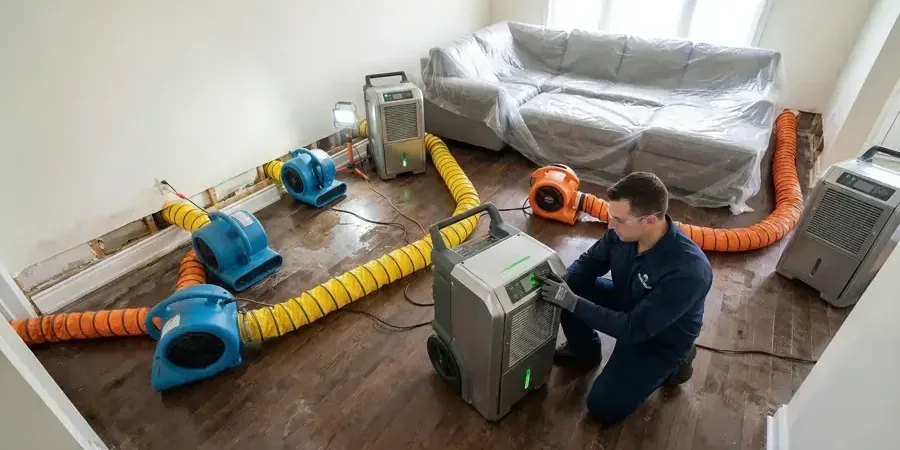 Structural Drying and DehumidificationAir movers and dehumidifiers dry walls, floors and framing, confirmed by moisture readings.
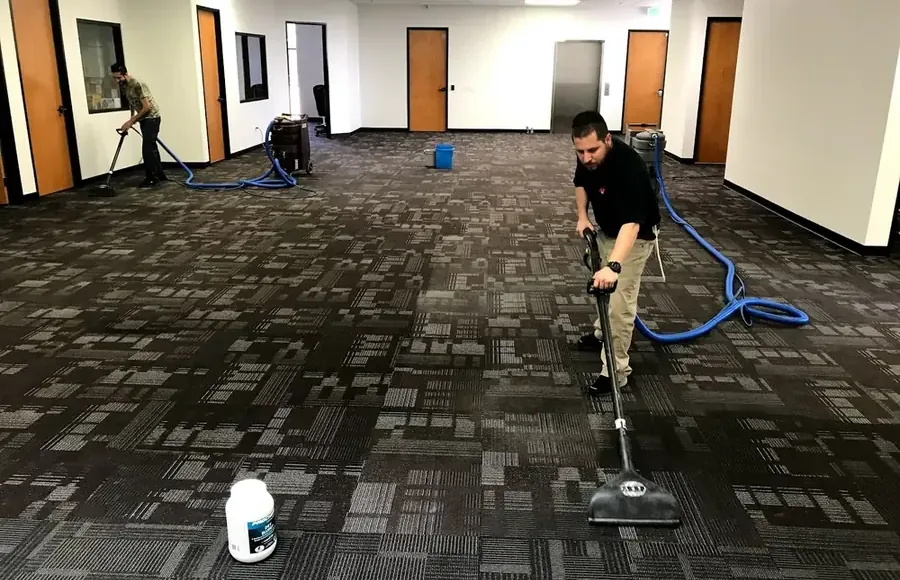 Commercial and Apartment Water DamageOffices, shops and apartment buildings get a phased drying plan, unit by unit.
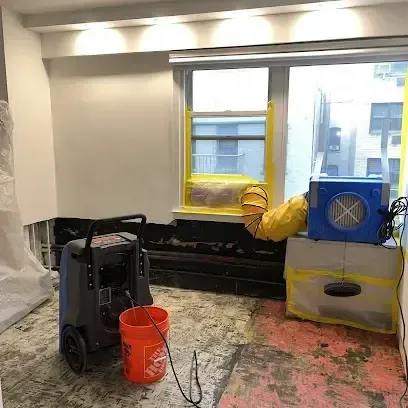
Water work shaped by a harbor, a river and two hills
Boston Harbor and the Mystic River border the neighborhood, while Bunker Hill and Breed's Hill rise through its middle, so the source of the water decides how each job begins.
Tide aware work
Harbor and river water carries street debris, so tidal water is treated as contaminated and cleaned before drying starts.
Old and new buildings
Row houses sit near large complexes and offices, so each job begins by tracing how water travels between rooms and units.
Readings over guesses
Moisture meters show which walls and floors must open and when the equipment can come out.
Plain price ranges
Typical costs below depend on the water type, the area wet and the materials involved, and a walk-through confirms them.
A dry-out measured step by step
Every job follows the same order: stop the water, remove it, open what is wet, dry it with measured airflow and confirm the readings before any wall is closed.
- 1
Water removal
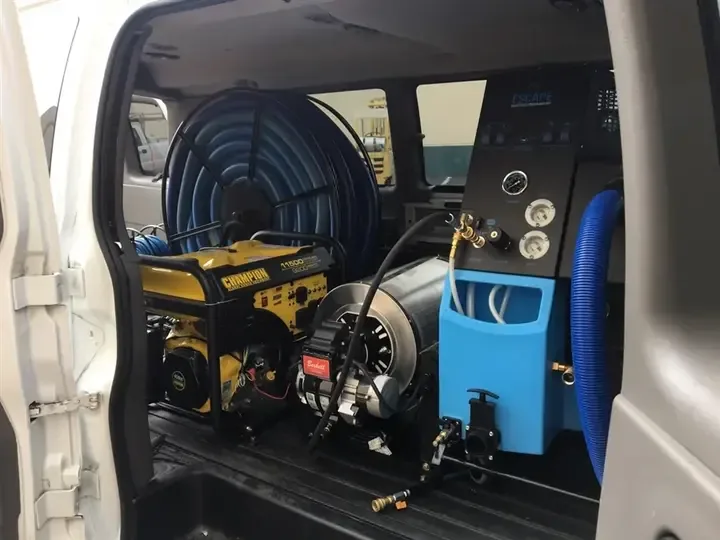
Pumps and extraction wands pull standing water so soaked materials are not left sitting in it.
- 2
Wet area opening
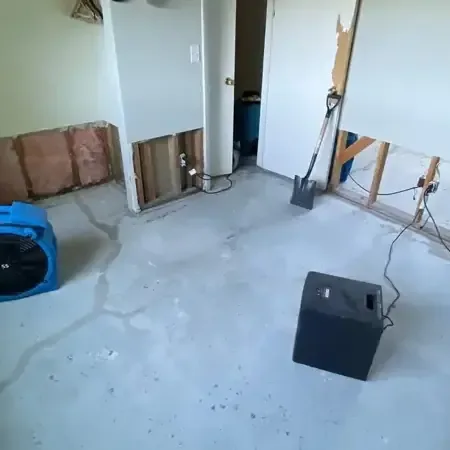
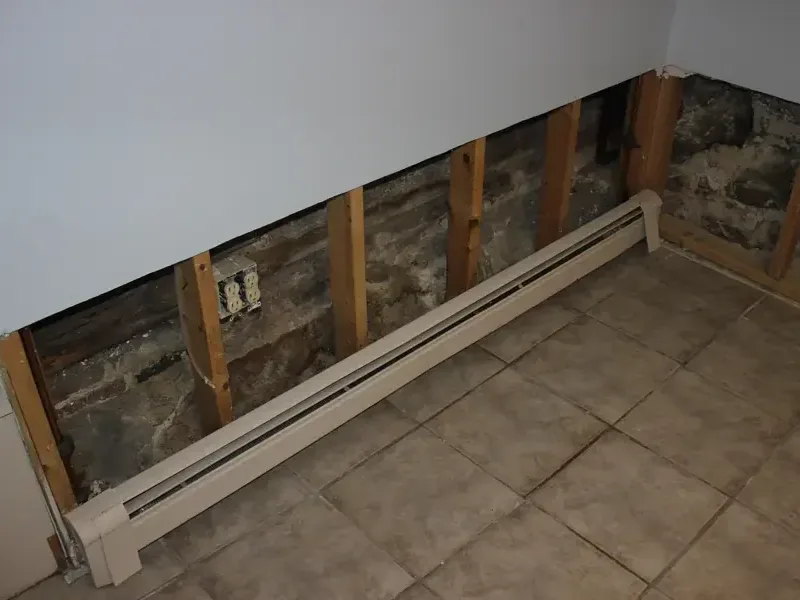
Baseboards, lower drywall and soaked insulation come out where moisture readings show water in the cavity.
- 3
Controlled drying
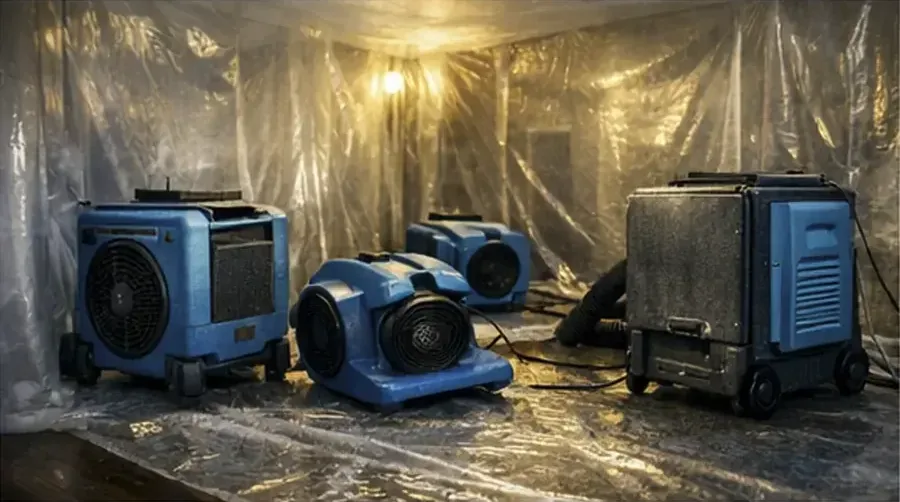
Air movers and dehumidifiers run on a layout set for the rooms and adjusted as the readings change.
- 4
Final readings
Walls, floors and framing are measured again, and the equipment stays until they reach a dry standard.
- Moisture mapped
- Containment as needed
- Readings recorded
How harbor and rain water reach buildings here
- Rain ponding
The city's consultant names stormwater flooding, with rain collecting in low-lying areas, as one of two flood types for the neighborhood.
- Harbor rise
Fringe flooding happens when harbor water rises above ground elevation, and by 2050 storm pathways could reach inland areas.
- Deeper pathways
City maps showed 100-year flood pathways under the Tobin Bridge by 2050 and into the neighborhood center by 2070.
Tide and storm water carries street grime and sewage, so it counts as Category 3: contaminated water where soaked porous materials are usually removed, not dried.
Coastal and Tidal Flood Cleanup Water Extraction and Removal
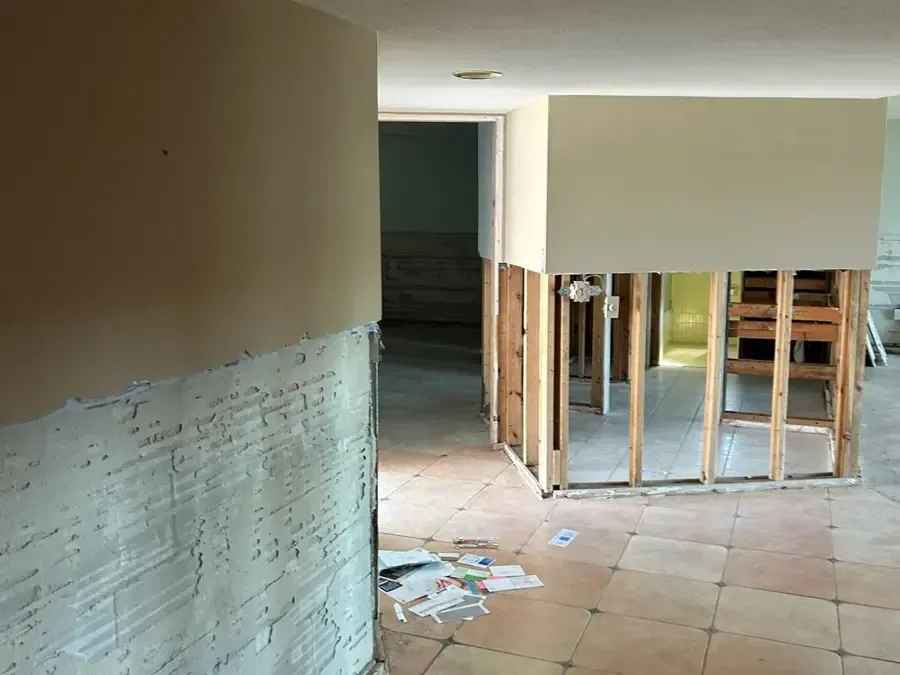
What does water damage restoration cost here?
Most jobs land between $1,500 and $28,000. The water type, the area wet and the materials soaked set the number: a clean one room leak sits near the bottom, while sewage or tidal water in a finished space reaches the top of the range.
Typical ranges only, and a closer figure comes from the water damage cost calculator once the room count, the area wet and the type of water are known.
Three losses that need different handling
Burst and frozen pipes
BWSC notes that leaks can develop behind walls or out of sight, so a split pipe can soak framing well before any stain shows.
See burst pipe workWasher and dishwasher leaks
In attached buildings a leaking hose can run into the home below, so the crew traces and dries both levels.
See appliance leak workSewage and drain backups
A backup is contaminated from the first step, so the area is isolated and soaked porous materials are removed.
See sewage cleanupDocumenting the loss for a claim
Insurers want evidence of what was wet, when it happened and what was done about it. Good records made early keep a claim moving.
- Photos of every wet room and item
- The date and time the water was found
- Receipts for emergency repairs and supplies
- A list of damaged belongings
- Notes from calls with the insurer
What owners can do first
Shut off the water source, turn off power to wet rooms and move belongings to dry ground. Keep damaged items until the adjuster has seen them.
Skip heavy cleanup of sewage or tide water, since it is contaminated. Photograph the area, then let the restoration team measure the moisture and write down the readings for the claim.
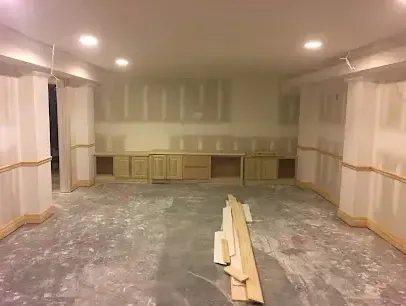
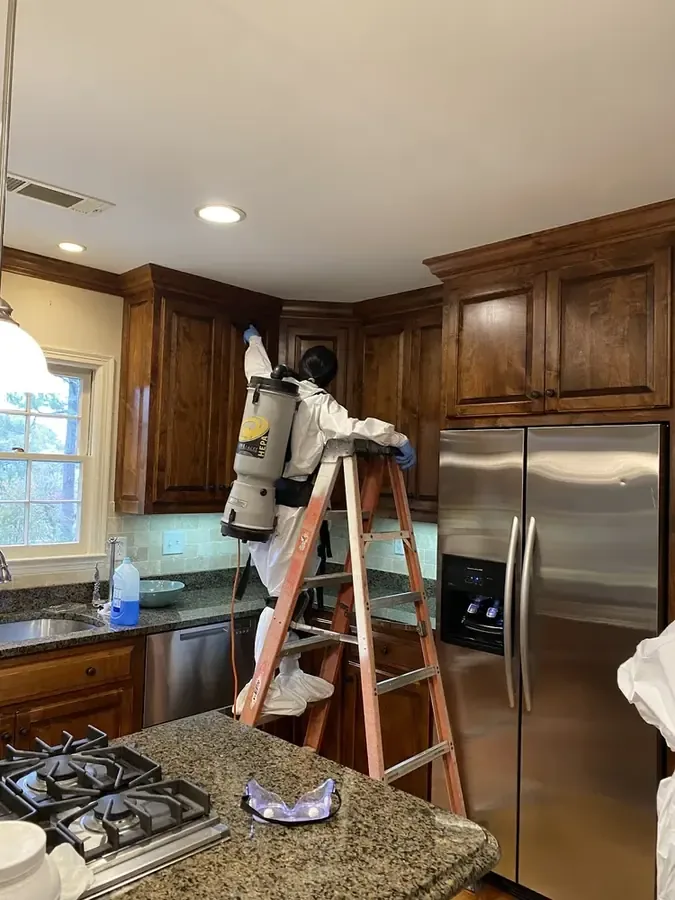
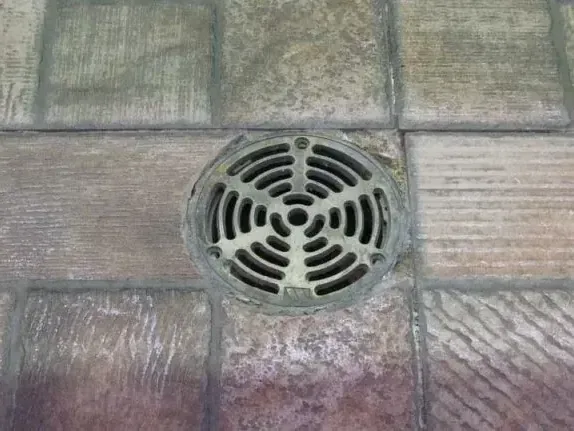
Equipment and cleanup, photo by photo
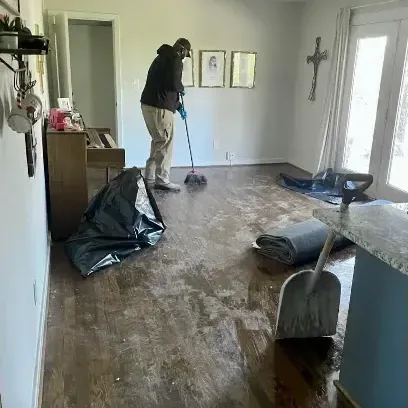
Service across the Charlestown neighborhood
Streets and squares
- Main Street
- Medford Street
- Terminal Street
- Chelsea Street
- Rutherford Avenue
- Bunker Hill Street
- Sullivan Square
- City Square
- Thompson Square
- Monument Square
- Navy Yard
Reaching the crew from the Navy Yard to Sullivan Square
Phone with the address, the water source and the rooms that are wet, and the restoration team will lay out the extraction and drying steps for the building.
Photos taken from a safe spot help the drying team plan equipment, and they also support an insurance claim later.
Talk through the damage by phoneWhat puts Charlestown buildings at risk of water damage
The neighborhood sits on a peninsula bordered by the Mystic River and Boston Harbor, with Bunker Hill and Breed's Hill in the middle, so water can come from tides, rain or pipes.
- Filled waterfront land City planning materials describe significant water-adjacent parts of the neighborhood as filled land, now the most exposed to flooding.
- March 2018 tides The Mystic River topped the seawall at the Schrafft's parking lot, and about 2 or 3 feet of water surrounded close to 100 cars.
- Little Mystic Channel Terminal Street held about 2 feet of water over the road when the channel overflowed, and the NewTown development was also inundated.
- Aging city pipes BWSC is replacing or rehabilitating about 5,670 linear feet of sewers and drains and 4,615 linear feet of water mains, calling it critical aging infrastructure.
- Freeze protection BWSC places protection of the service pipe and water meter from freezing on the property owner, so a freeze can become the owner's drying job.
January 4, 2018 A blizzard sent floodwater over the Navy Yard seawalls and into the drydocks, showing how quickly harbor water can climb past the edge of the neighborhood.
Charlestown water damage questions
Water in the building now?
Describe the water, its source and the affected rooms, and the restoration team can start planning extraction and drying.
Phone about the leakHow soon should drying start after a leak?
As early as possible. Wet drywall, insulation and wood can start growing mold within 24 to 48 hours, and standing water soaks deeper the longer it sits, so early extraction usually shortens the repair.
Is tide water or flood water handled differently?
Yes. Tide and storm water is Category 3, contaminated by streets and sewage, so the crew wears protective gear, cleans surfaces and usually removes soaked porous materials such as carpet padding and drywall instead of drying them.
Does a burst pipe need more than a plumber?
A plumber fixes the pipe, but the water already in the wall still needs extraction and drying. Burst pipe work here covers tracing the hidden wet areas after the leak is stopped. Early action keeps more of the wall in place.
What does BWSC say about leaks?
BWSC advises that a drastic rise in water use can point to a leak, and that leaks may form behind walls or in hidden spots. A sharp change on the meter is worth checking.
Who is responsible for a frozen service pipe?
BWSC says the property owner must protect the service pipe and water meter from freezing. If a meter freezes, BWSC replaces it for a fee, and a frozen pipe must be thawed by the owner or a plumber.
Can water move between apartments?
Yes. In attached buildings water follows pipes, framing and ceilings into the home below, so the drying team checks the lower unit too. Structural drying covers every wet level.
Does the crew work on offices and apartment buildings?
Yes. Schrafft's Center, Navy Yard offices, Main Street shops and apartment buildings each get a phased drying plan, and waterfront buildings are also weighed against tidal flooding.
What should be documented for insurance?
Photos and video of every wet area, the source, the date and the damaged belongings, plus the moisture readings the crew records. Keep receipts, and keep damaged items until the adjuster has seen them, since photos alone may not show everything.
Is the city doing anything about flooding?
The Planning Department introduced a Navy Yard and Little Mystic Channel flood study in spring 2025 to assess vulnerabilities and find ways to protect homes and waterfront properties. A wet building still needs prompt drying.
How is a sewage backup different from a leak?
Sewage is contaminated water. The area is isolated, the water is extracted, soaked porous materials are removed and hard surfaces are cleaned, which goes beyond drying. See sewage backup cleanup.
Water in the building? Start the dry-out
Call about the leak, flood or backup, and the restoration team will begin planning extraction and drying for the building.
(888) 629-3140Phone the crew about your property