Appliance and Washer Hose Leaks in Chelsea, MA
When a washer hose bursts, a dishwasher leaks or a refrigerator water hose drips for weeks, the drying team finds where the water went, under flooring, into cabinets or through to the unit below.
(888) 629-3140Washer or dishwasher flooding? Get the floor dried- Under-cabinet drying
- Subfloor moisture checks
- Unit-below inspection
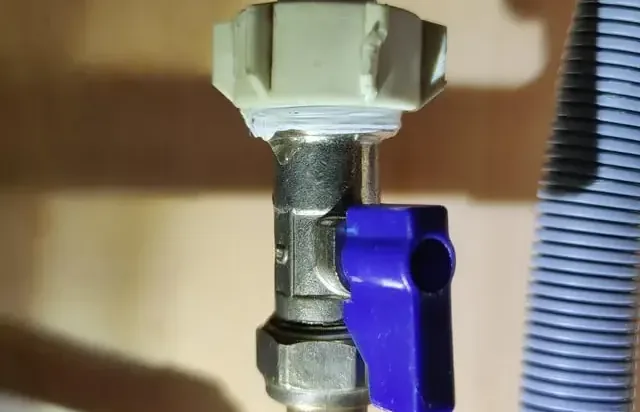
What to do first about appliance and washer hose leaks
Do only what feels safe. Water near an outlet, a sewage smell or a sagging ceiling means stepping back and calling first.
- 1
Close the valve
Turn off the appliance supply valve or the main.
- 2
Unplug if dry
Unplug the appliance only if the outlet and floor are dry.
- 3
Pull towels, not the floor
Soak up surface water but do not pry up flooring.
- 4
Warn the unit below
Ask downstairs neighbors to check their ceiling.
What does appliance and washer hose leaks cost in Chelsea, MA?
Appliance leak water damage in Chelsea typically costs $1,200 to $8,000. A fresh washer hose spill on tile is the low end; a slow dishwasher leak under hardwood and cabinets, or water through to the unit below, costs more.
Ranges are typical, not a quote: the category of water, square footage, material class and how fast drying started move the number most. The water damage cost calculator narrows it; the moisture map on the walkthrough decides it.
How appliance and washer hose leaks is handled, step by step
Trace
Meters follow water under floors.
Extract
Surface and pad water removed.
Vent
Toe kicks off, cabinets vented.
Dry
Mats and air dry the subfloor.
The four stops of every appliance and washer hose leaks dry-out
- 1
Trace and measure
A thermal camera and a pinless meter show how far the water travelled before a single fan is placed.
- 2
Pull the water out
Truck-mounted extraction empties floors and carpet pad first, because every gallon left behind adds drying days.
- 3
Move the air, pull the humidity
Air movers push moisture out of plaster, framing and subfloor, and LGR dehumidifiers take it out of the room air.
- 4
Read it dry, then log it
Daily readings are compared with an unaffected room, and drying stops when the numbers sit within 2 to 4 points.
Appliance leaks are either sudden or slow. A washer hose that bursts can put water through a floor in minutes, while a refrigerator water hose or a dishwasher fitting can seep for weeks before a floor lifts or a ceiling below stains. In older stacked units, kitchens and laundry often sit directly over the kitchen below.
The usual appliance culprits
- Rubber washer hoses that split with age
- Dishwasher supply and drain fittings under the sink
- Refrigerator ice maker and water dispenser hoses
- Toilet supply hoses and fill valves
Braided steel hoses and a yearly check prevent most of these; EPA WaterSense has tips.
Drying under cabinets and flooring
Water runs under cabinets and beneath vinyl, laminate and hardwood where it cannot evaporate. The drying team removes toe kicks, drills small vent holes where needed and uses floor drying mats and directed air. Gray water from a washer or dishwasher drain means soaked pad and porous materials are replaced.
Checking for slow leaks
A slow drip shows up on the water meter before it shows on a ceiling. The EPA meter test takes minutes. For water that reached the unit below, see ceiling leak water damage.
Appliance and washer hose leaks across Chelsea, MA
The restoration team covers ZIP 02150 from Bellingham Square out to Admirals Hill, Mill Hill, Prattville, the Box District, Addison-Orange and the low streets along the creek and the Island End River.
Nearby coverage reaches East Boston, Everett, Charlestown, Winthrop, Malden, Revere.
Related water damage services
Appliance and Washer Hose Leaks questions in Chelsea, MA
Still dealing with it?
Appliance leak spreading under the floor? The drying team works 24/7.
Get the floor dried outHow do I know an appliance has been leaking slowly?
Lifting or soft flooring near the appliance, a musty smell, a stain on the ceiling below or a water meter that moves with every tap closed.
Is washing machine water clean?
Supply water from a burst hose is clean. Drain water from a washer or dishwasher is Category 2, so pad and porous materials it soaked are replaced.
Can hardwood floors be saved after an appliance leak?
Often, if drying starts quickly. Floor drying mats pull water out of the boards and subfloor while readings are tracked daily.
How long does it take to dry under cabinets?
Usually two to four days once toe kicks are off and air reaches the cavity. Cabinets on a soaked subfloor can take longer.
Does insurance cover appliance leaks?
Sudden leaks are often covered, while slow leaks over weeks may be excluded. Check your own policy and ask your insurer.
Washer hose burst? Get the water out before it reaches downstairs.
Appliance water hides under cabinets and flooring. The drying team finds it and dries the subfloor.
(888) 629-3140Dry the appliance leak damage now