Water Damage Restoration Everett, MA
Emergency water damage restoration for Everett, MA homes, shops and apartment buildings. The restoration team pumps out standing water, opens whatever stays wet and dries every layer to measured readings.
(888) 629-3140Water still spreading? Get the extraction crew moving- Open around the clock
- Moisture readings logged daily
- Claim-ready photo records
Water drops through ceilings to the unit below, so the restoration team meters the neighboring space before calling a job dry.
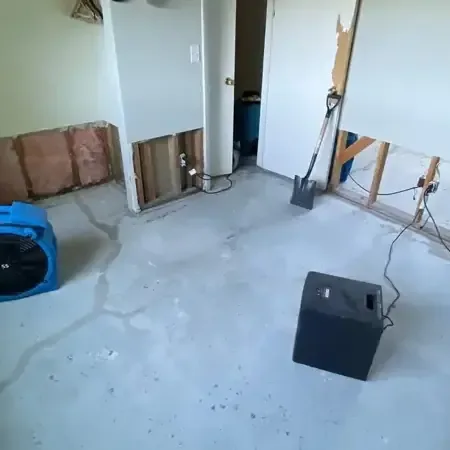
What to do while the water is still moving
- 1
Stop the source
Close the main or fixture valve, and keep clear of standing water near outlets until the power is off.
- 2
Photograph everything
Take wide and close photos of wet walls, floors and belongings before anything is moved, for the claim.
- 3
Lift what you can
Move small furniture, rugs and electronics to dry ground, and leave heavy items for the crew.
- 4
Call for extraction
Describe which floor is wet and where the water started so the right equipment is loaded first.
- 5
Note how the water looks
Clear, cloudy or foul water decides the category, so describe its color and smell when calling.
Twelve kinds of water loss, each handled differently
From a split pipe to a flooded street, every service starts with finding the water source and ends with a verified dry structure. Choose the one that matches the loss.
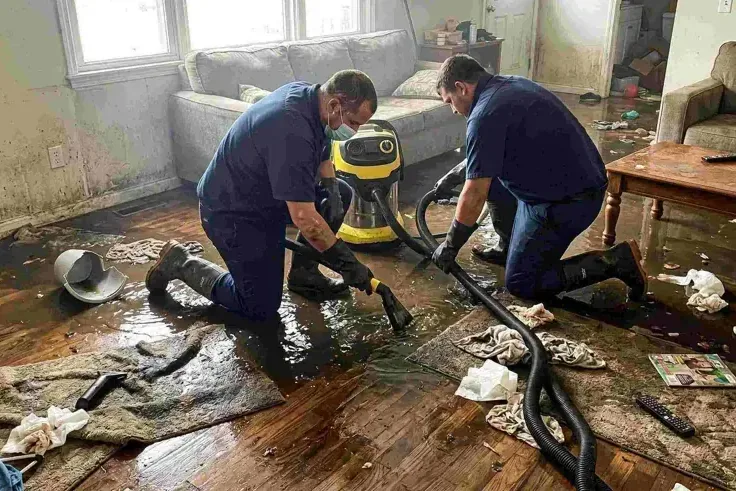 Water Extraction and RemovalPumps and wands pull standing water off floors before it soaks into finishes and subfloors.
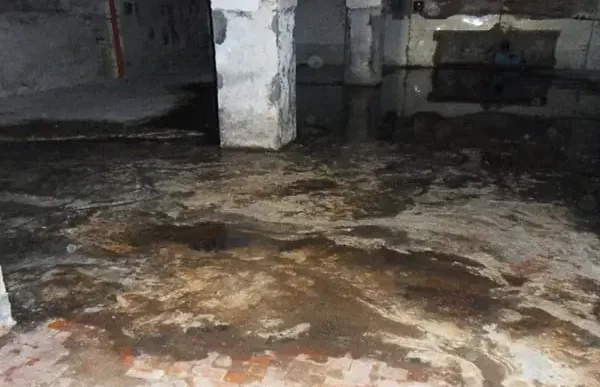 Basement Flooding CleanupA flooded lower level is drained, stripped of soaked materials and dried out.
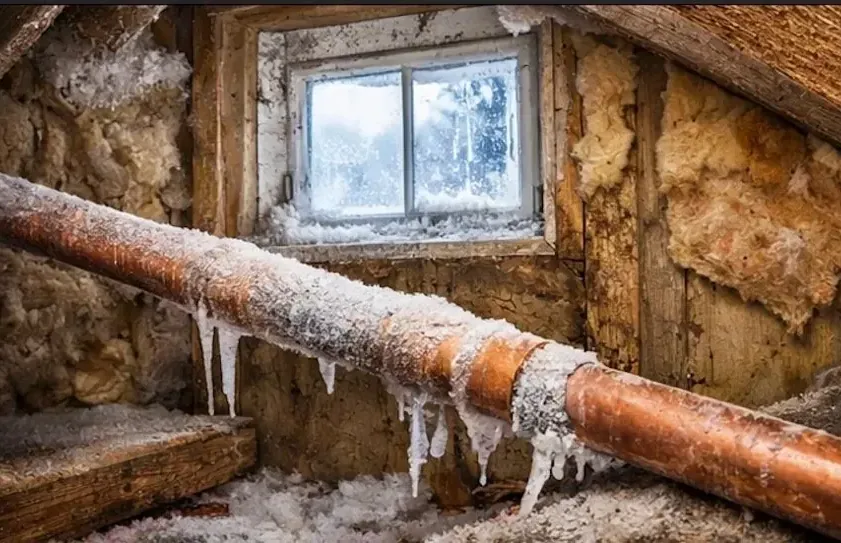 Frozen Pipe Water DamageA winter freeze that splits a supply pipe soaks the wall cavity, which is opened and dried.
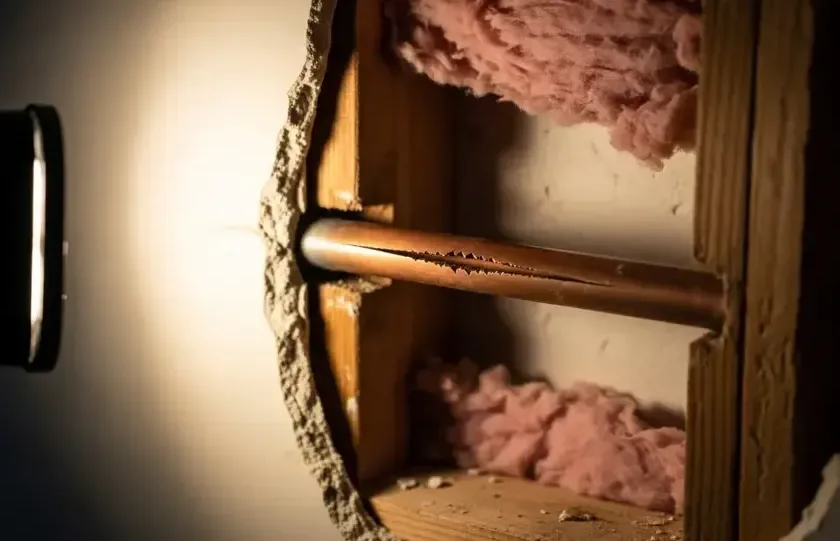 Burst Pipe Water DamageA burst pipe means tracing the leak, extracting water and drying the soaked cavity.
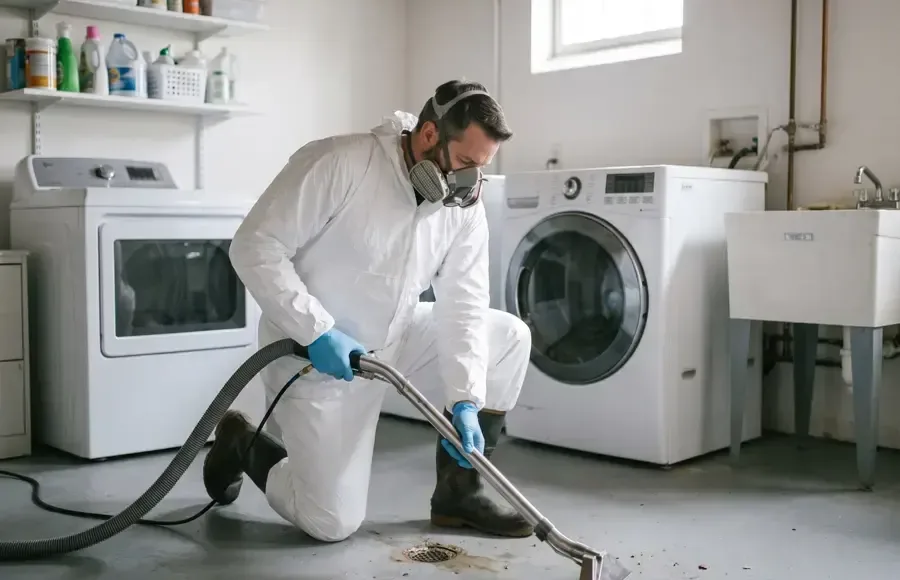 Sewage Backup CleanupSewage is handled as contaminated water: removed in protective gear, porous items discarded, surfaces disinfected.
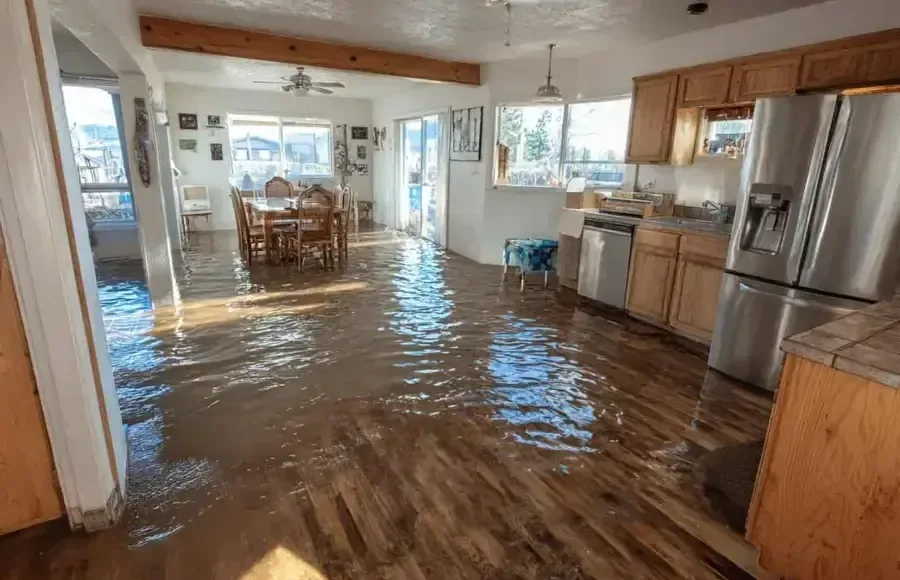 Coastal and Tidal Flood CleanupDirty floodwater from storm tides or heavy rain is pumped out, cleared and disinfected.
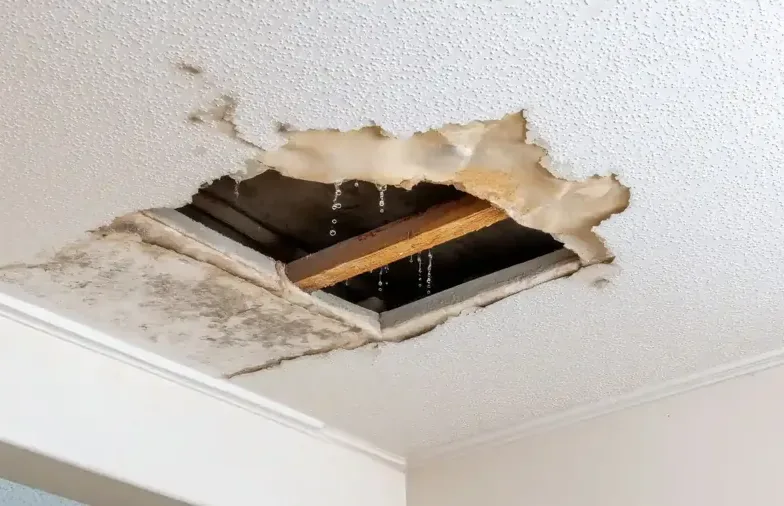 Roof Leak and Ice Dam Water DamageRoof leaks are traced from the roof down, then soaked insulation and ceilings are dried.
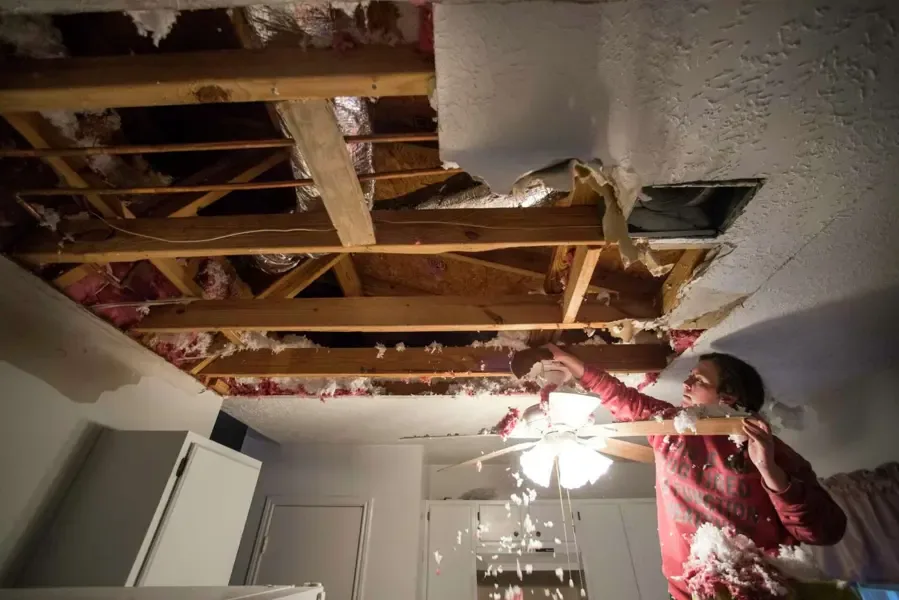
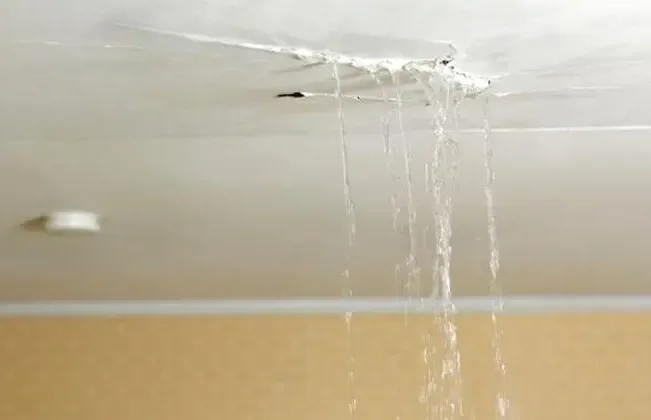 Ceiling Leak Water DamageA stained or sagging ceiling is checked, opened where it holds water and dried.
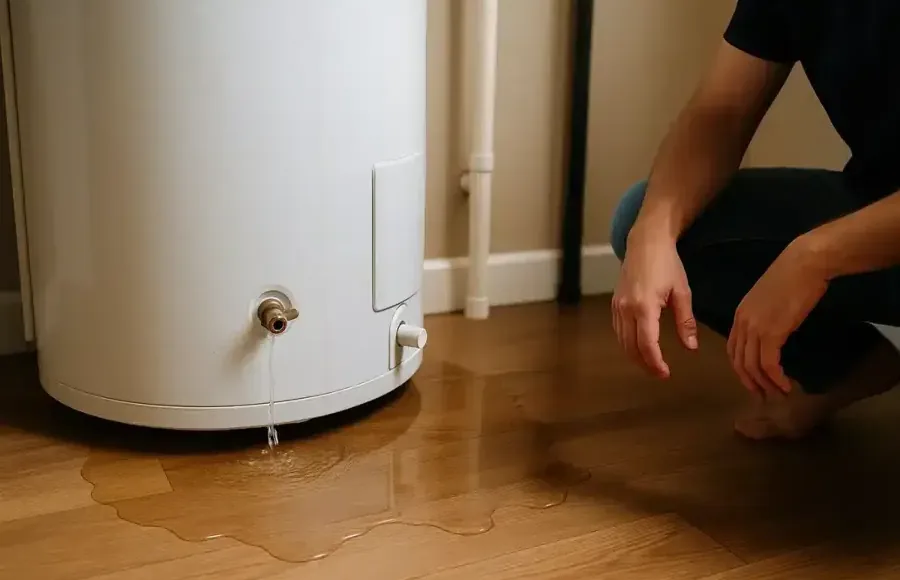 Water Heater Leak CleanupA failed tank is shut off and extracted before water reaches framing and stored items.
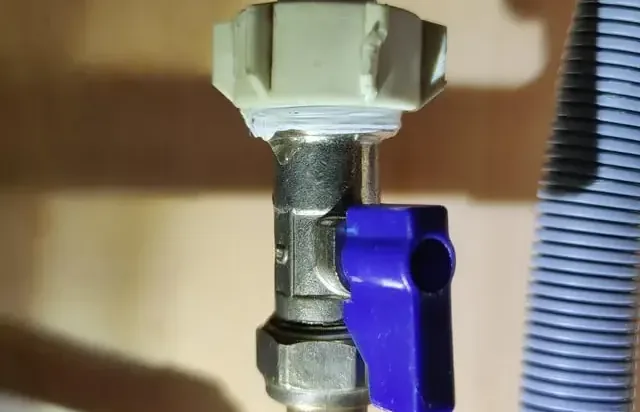 Appliance and Washer Hose LeaksWasher, dishwasher and fridge leaks are traced, then floors and cabinet bases are dried.
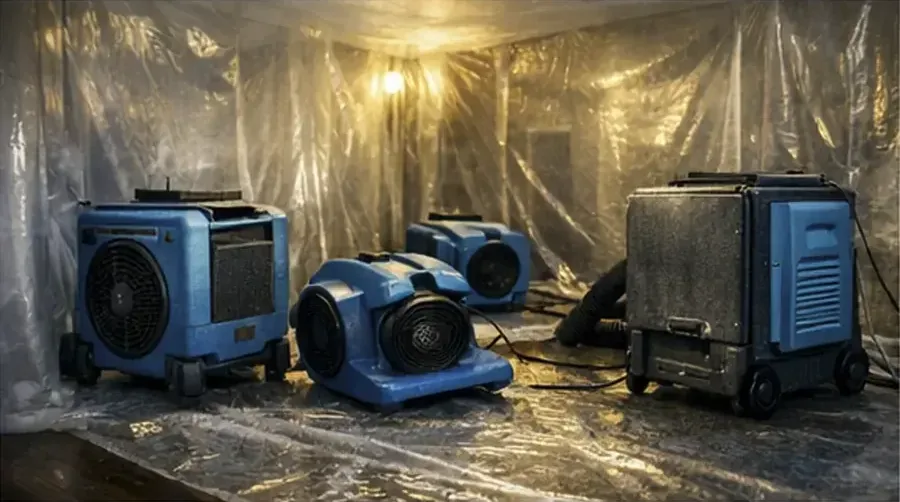
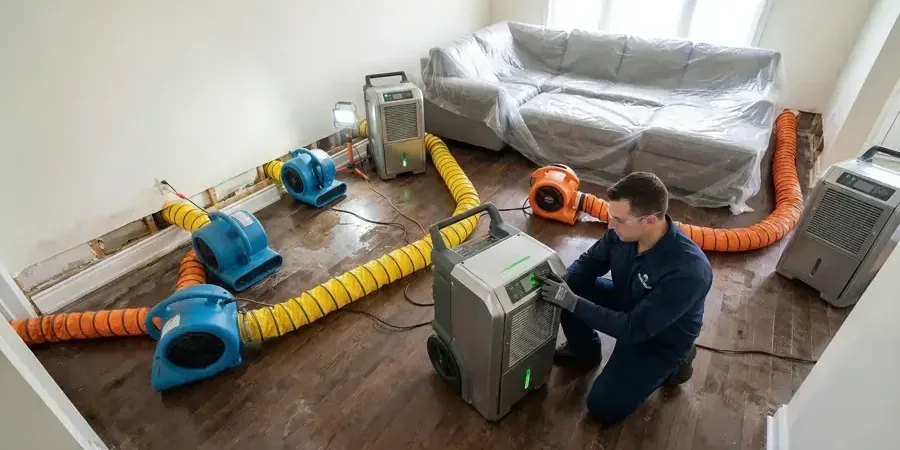 Structural Drying and DehumidificationAir movers and dehumidifiers run until moisture meters show framing and drywall back at dry readings.
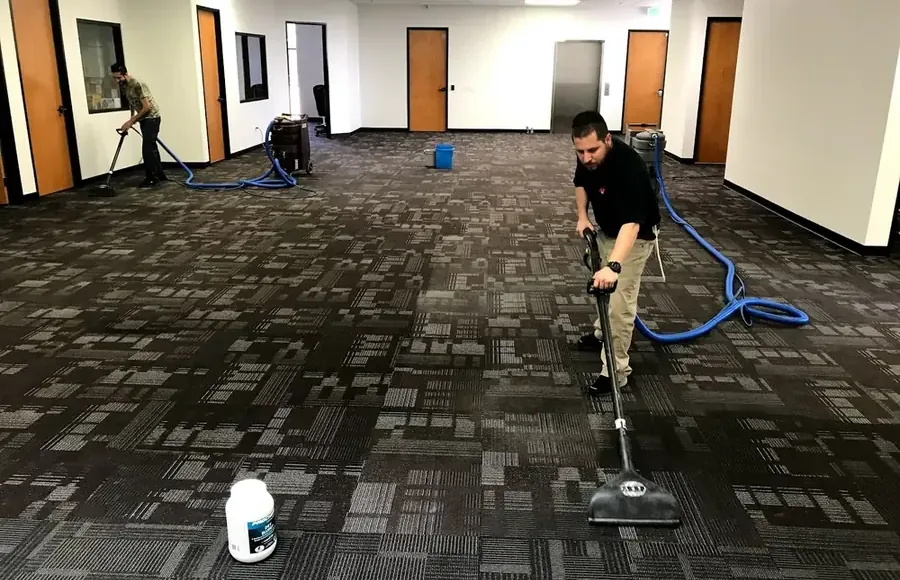 Commercial and Apartment Water DamageShops, restaurants, schools and apartment buildings get a phased drying plan, floor by floor.
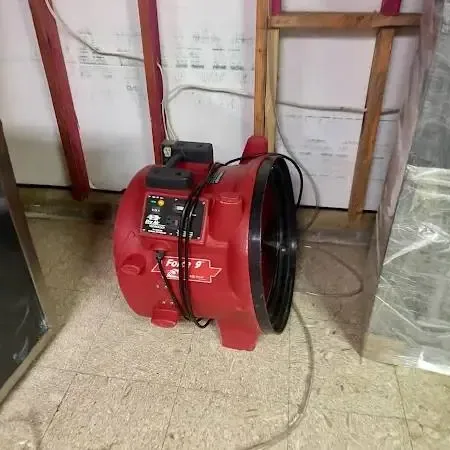
What the drying team brings to a dense riverside city
Everett counts 18,827 housing units, and in a dense city water often crosses into a neighbor's space. Each plan covers every area the water reached, not the room where it was noticed.
Round-the-clock dispatch
Floods do not keep office hours, so extraction gear stays loaded and a crew can be sent on a storm night or a holiday.
Readings that settle the job
A floor that feels dry can still hold moisture, so the job ends on meter readings, never on touch.
Records for the adjuster
Dated photos, a moisture map and daily drying logs are assembled so the insurer can follow every step.
One crew, every step
Extraction, demolition, antimicrobial treatment and drying are run by one team, so nothing waits on a handoff.
How a dry-out is run and verified
The work follows the IICRC S500 approach: find the moisture, remove what cannot dry, then run equipment and test until every material reads dry.
- 1
Assess and map
Meters and a thermal camera show where water traveled, including behind baseboards and inside the ceiling below.
- 2
Extract and remove
Standing water is pumped out, and soaked carpet pad, insulation and drywall are cut away at a clean edge.
- 3
Dry with control
Air movers and dehumidifiers are placed by room volume and wet material, then adjusted as readings change.
- 4
Verify and document
Final readings are compared with a dry reference, and the log goes to the property owner and the insurer.
- Moisture mapping
- Controlled equipment placement
- A documented dry goal
Tides, storm rain and low ground along the Mystic River
- Storm tide
A listed elevation of 9.8 feet beside the Mystic River lets a storm tide push water onto low ground.
- Filled marsh
Land along the old Island End River route was salt marsh, filled and paved between the 1800s and the 1960s.
- Heavy rain
A December 2014 nor'easter dropped up to 5 inches of rain across Massachusetts and left streets flooded.
Floodwater and sewage that enter a building count as Category 3, meaning contaminated. Porous materials such as drywall, insulation and carpet are removed, surfaces are disinfected, and only then does drying start.
Coastal and Tidal Flood Cleanup Water Extraction and Removal
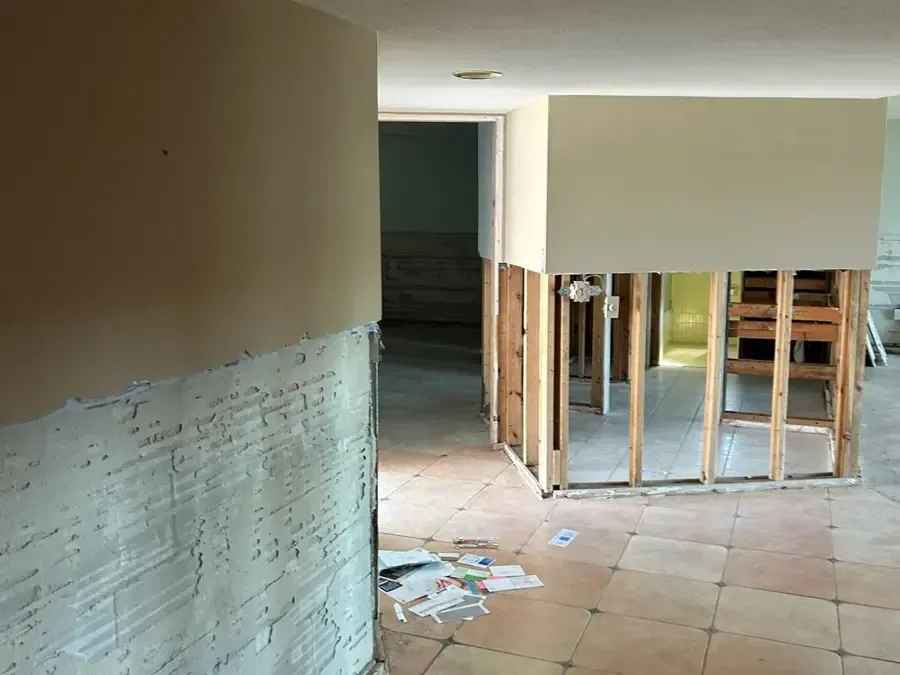
What does water damage restoration cost in Everett, MA?
Typical jobs run from $1,500 for one wet room up to $28,000 when sewage or tide water is involved. A clean-water leak caught early stays near the low end. The category of water, the floor area, the materials and how soon drying starts set the number.
These are typical ranges for homes and small businesses, not a quote for any building. The water damage cost calculator narrows the figure, and the walkthrough settles it.
Clean, gray and black water, and what each means
Category 1: clean water
A broken supply pipe, a split fitting or a failed tank. Acted on quickly, most drywall and framing can be dried where it stands.
Frozen pipe water damageCategory 2: gray water
A washer, dishwasher or sink overflow that carries soap or dirt. Carpet pad that soaked through is normally replaced.
Appliance and washer hose leaksCategory 3: black water
Sewage and floodwater from outside. Porous materials are removed, the structure is disinfected, and then it is dried.
Sewage backup cleanupDocumenting a water loss for the claim
Adjusters want proof of what the water touched and when. The restoration team builds that record while the work happens, so the claim never rests on memory.
- Photos of every wet surface before demolition
- A moisture map showing each affected room
- Daily meter readings kept in one log
- An itemized scope of removed materials
- Notes on how the water was first found
What owners can do themselves
Start the claim early, keep damaged items until the adjuster has seen them, and save receipts for any emergency purchases such as fans or storage.
Shutting off the water and moving belongings is fine, but tearing out walls before photos are taken can weaken the file that supports the claim.
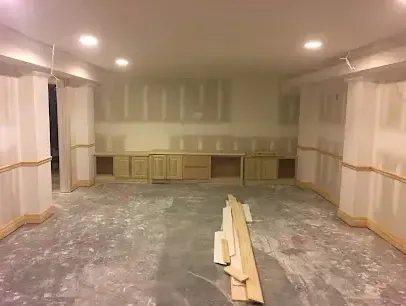
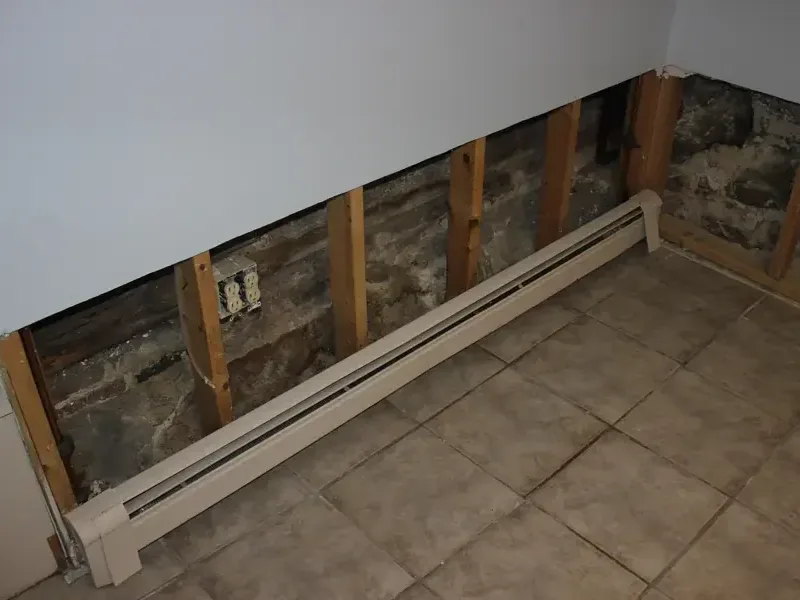
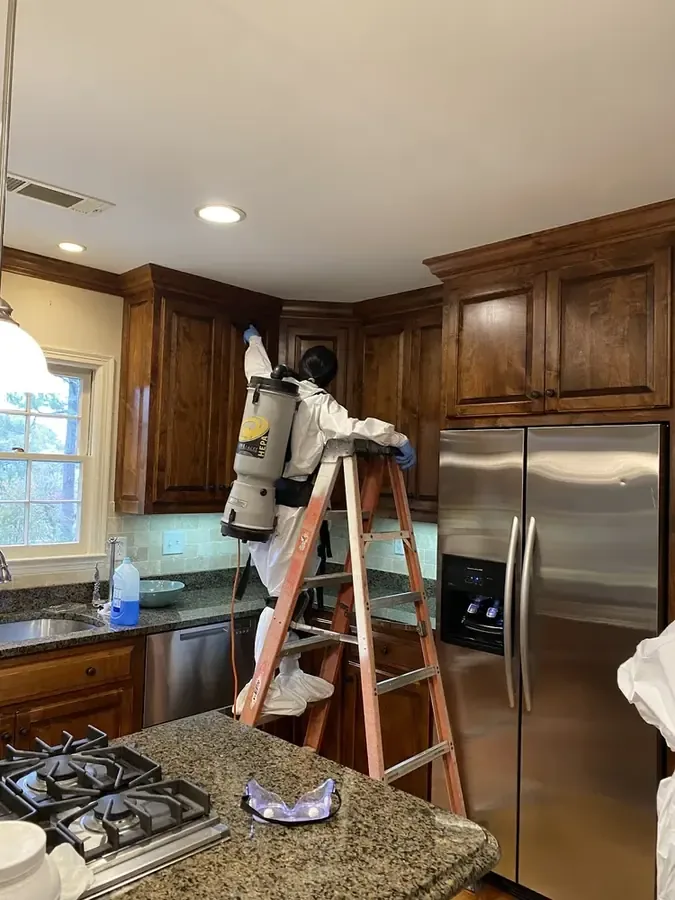
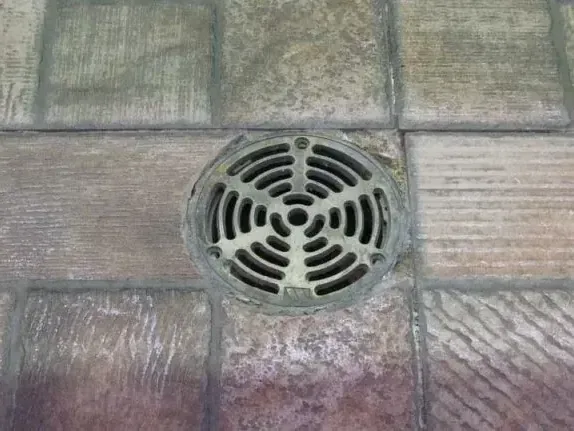
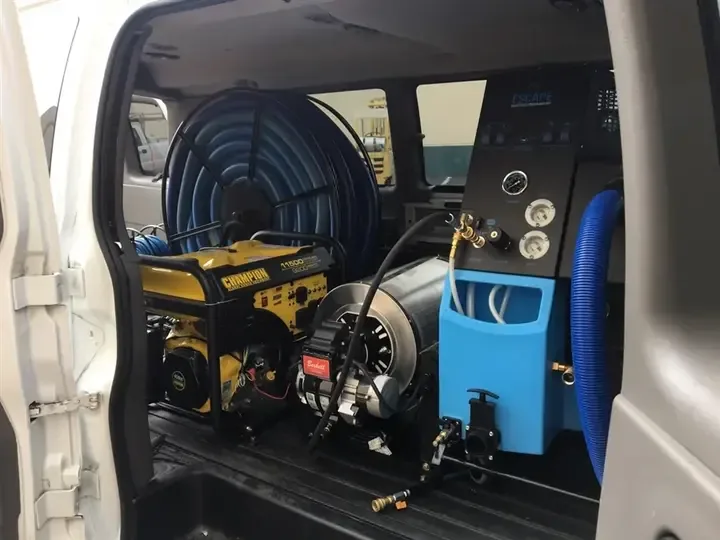
What a dry-out looks like, from extraction to final readings
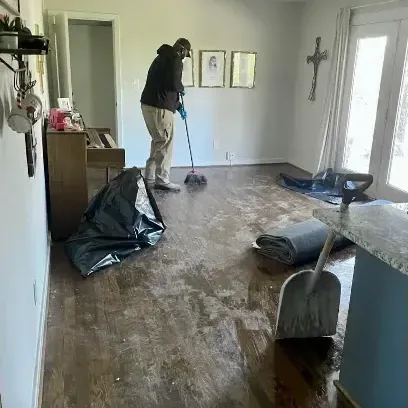
Everett neighborhoods and the ZIP code covered
Neighborhoods and corridors covered
- Glendale
- Woodlawn
- the Village
- Island End
- Glendale Square
- Broadway
- Route 16
- Route 99
- Sweetser Circle
- Gateway Center
- Elm Street
A single call starts the response, day or night
From Glendale and Woodlawn to the Village and Island End, the response team covers every street in ZIP 02149 at any hour.
Calling is the first step for extraction, burst pipes, drain backups and tide water; say which floor is wet and where the water started.
Get a local drying crew startedWater damage in Everett, MA: what shapes the risk
A riverside city with filled shoreline, dense housing and busy commercial streets sees water losses of many kinds. These are the patterns the restoration team plans around.
- Filled ground. Landfill has extended the shoreline over the centuries, and the old Island End River route was salt marsh that was filled and paved.
- Close neighbors. With 18,827 housing units in a dense city, a leak in one unit can reach a neighbor's ceiling or wall, so adjoining spaces get metered.
- Winter freezes. Freezing weather is a regional winter pattern, and supply pipes and meters sit in indoor spaces a freeze can reach, so a split can flood a wall unseen.
- Storm tides and rain. Boston's tide gauge hit a record 15.16 feet on January 4, 2018, and a December 2014 nor'easter dropped up to 5 inches of rain across Massachusetts, both regional events.
- Drain and sewer backups. All the city's wastewater runs by gravity through city pipes into the MWRA system, and any backup that reaches a floor is handled as contaminated water.
2021: the city began bringing parts of the Island End River back to the surface from a culvert in poor condition, uncovering water that had run underground.
Water damage questions in Everett, MA
Water still coming in?
Shut the source off if that is safe, then describe the wet floors and where the water started to the crew.
Send a crew to the waterHow soon does drying need to start after a leak?
As soon as the water is stopped. Wet drywall and framing can start growing mold within 24 to 48 hours, so extraction and equipment go in before the materials begin to break down. Waiting turns a drying job into a demolition job.
What if the water came from the unit above?
The path is traced from the wet spot upward, the source is stopped, and the neighboring space is metered as well. Dated photos and readings show the insurer where the water started, which matters when two households are involved.
How can a hidden leak be spotted?
The city advises stopping all water use for at least a half hour and watching the water meter dial. If it still moves, water is escaping, often from a leaky toilet, faucet or hidden pipe. Moisture meters then show where it is going.
How is a sewage backup different from a clean leak?
Sewage is contaminated from the first moment, which is why sewage backup cleanup starts with protective gear. The crew removes porous materials, disinfects hard surfaces and only then dries the structure, with readings recorded so the room is safe to use again.
Who runs the water and sewer pipes in the city?
The Everett Water & Sewer Department, part of the Department of Public Works, operates the water distribution and wastewater collection systems. Cleanup and drying inside a building is restoration work.
Can a wet ceiling be dried without opening it?
Sometimes. A small stain over dry insulation can be dried in place with targeted airflow, but a ceiling holding water or sagging is opened so it cannot fail. Meters above the stain decide which case applies.
Do apartment buildings and shops get a different plan?
Yes. Larger buildings are dried in phases, floor by floor, so part of the building stays usable, with a moisture log kept for each area and shared with the manager.
What drives the price of a water job?
The category of water, how many rooms or units it reached, the materials soaked and how soon drying began. Sewage and tide water cost more because porous materials must come out.
Should wet drywall always be torn out?
No. Clean water caught early often dries in place, while drywall soaked by sewage or left wet for days comes out. Meter readings decide, not how the wall looks.
What should be saved for the insurance claim?
Photos taken before demolition, the moisture map, daily readings, receipts and any damaged items the adjuster wants to inspect. A short written list of what was removed also helps.
Water in the building? Get the extraction started
The restoration team starts with the source, then the water, then the drying, and records each step along the way.
(888) 629-3140Call and get the crew moving