Appliance and Washer Hose Leaks in Everett, MA
Washer hoses, dishwashers and refrigerator supply tubing leak quietly onto floors and under cabinets. The source is found, water extracted and the floor and cabinet bases dried before the damage spreads.
(888) 629-3140Appliance leaking? Get the drying started- Source found
- Cabinet bases checked
- Slow leaks mapped
First moves after appliance and washer hose leaks
Safety comes first: stay clear of standing water near outlets, any sewage odor and sagging ceilings, and call before going closer.
- 1
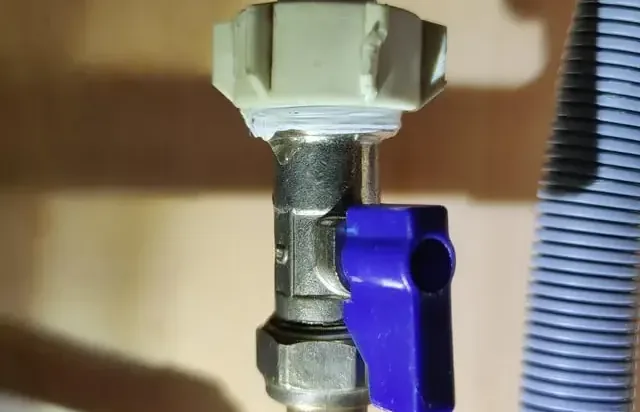
Shut the supply valve
Close the valve behind the appliance, or the main valve.
- 2
Unplug the machine
Do this only if the floor around it is dry.
- 3
Soak up the surface
Towel up what is reachable and move rugs off wet floors.
- 4
Note the timing
Tell the crew when the water was found and how long the machine ran.
What does appliance and washer hose leaks cost in Everett, MA?
A fresh leak caught in one room is a small job. The price rises when water has soaked under cabinets and flooring, and it is highest when a slow leak ran for weeks or reached the unit below.
These ranges reflect typical jobs and are not a quote. Water category, square footage, material class and how soon drying began drive the total; the water damage cost calculator gives a closer range and the walkthrough sets the scope.
Appliance and Washer Hose Leaks handled to the drying standard
Find
The leak source is isolated.
Extract
Surface water is removed.
Open
Toe kicks and wet flooring come up.
Dry
Air flows until meters read dry.
How a appliance and washer hose leaks dry-out moves from wet to dry
- 1
Find every wet spot
Infrared scans and moisture meters mark where the water went before any equipment is placed.
- 2
Get the water up
Extraction wands and pumps clear floors and pad first, since leftover water only stretches the drying.
- 3
Dry the air and the structure
Air movers sweep moisture out of walls and subfloor while LGR dehumidifiers pull it from the room.
- 4
Confirm it with numbers
Readings are taken daily against dry material, and the job closes when they agree within 2 to 4 points.
The city says the most common reasons for high water use are leaky toilets, faucets and garden hoses. Appliance supply hoses and drain connections cause the same kind of slow loss, hidden behind machines and under cabinets.
A simple test for a slow leak
Stop all water use for at least a half hour, as the city advises, and then check whether the water meter dial has moved. If it has, a hidden leak is running somewhere, and moisture readings narrow down where.
Where appliance water hides
- Beneath dishwasher and sink cabinets
- Behind washing machines and their hoses
- Under refrigerator ice maker supply tubing
- Inside the subfloor beneath vinyl or tile
Slow leaks can swell cabinet bases and loosen flooring long before a puddle appears.
Drying cabinets and floors
Toe kicks are removed, cavities are opened and air is moved through them. A burst pipe behaves the same way, and the wider set of local water damage services shows related losses.
Appliance and washer hose leaks across Everett, MA
Appliance leak work covers the whole city, from kitchens and laundry areas in Glendale and Woodlawn to the Village and Island End, including units where a leak runs down into the apartment below.
The same service nearby: appliance and washer hose leaks in Chelsea, Malden, Charlestown.
Appliance and Washer Hose Leaks questions in Everett, MA
Water still coming through?
Appliance leaking? Say which machine and which room, and when the water was found.
Phone about the applianceWho is responsible for the leaking appliance?
The owner of the appliance arranges the repair or replacement. The drying team handles the water damage, and the records help whichever insurer is involved.
Can a slow leak be detected without opening anything?
Often yes. Moisture meters and thermal images read through cabinet faces and flooring, so the opening is limited to places that are actually wet.
Should the washer be moved before the crew arrives?
Only if the floor is dry and the hose is shut off. Pulling a machine through standing water risks a shock and can tear the hose further.
Does a leaky toilet count as an appliance leak?
It is a fixture leak with the same cleanup, because the water soaks the floor and subfloor around the base. The city counts leaky toilets among the common causes of high water use.
Do vinyl and tile floors hide water?
Yes. Water travels under the surface material and sits in the subfloor, so meters check there before the floor is judged dry.
Slow leaks do the most hidden damage
Shut the supply valve, unplug the machine if the floor is dry and tell the response team which cabinets and floors are wet.
(888) 629-3140Get the leak dried out