Water Damage Restoration Malden, MA
A burst pipe, a flooded basement, a sewage backup or a leak from the unit above can start the same way. Local water damage experts handle extraction, drying and cleanup, then document the loss.
(888) 629-3140Call for emergency water removal, any hour- Day or night
- Extraction and drying
- Photo and moisture records
Work covers single homes, 2-unit buildings and larger apartment buildings across ZIP code 02148, with moisture readings taken before and after.
What to do while the water is still spreading
- 1
Stop the source
Close the main valve or the appliance shutoff, and turn off power to wet rooms before touching any switch.
- 2
Keep everyone clear
Stay out of rooms with sagging ceilings or water near outlets, and keep children and pets away from the area.
- 3
Photograph the loss
Take wide and close photos of the water, the damaged items and the source before anything is moved.
- 4
Lift what is easy
Move small furniture, rugs and electronics out of the wet area, but leave heavy or soaked pieces alone.
- 5
Call right away
Wet drywall and wood can grow mold in 24 to 48 hours, so extraction and drying should start early.
Services for every kind of water loss
From a ceiling stain to a flooded basement, each type of water loss gets its own extraction and drying plan, sized to the building.
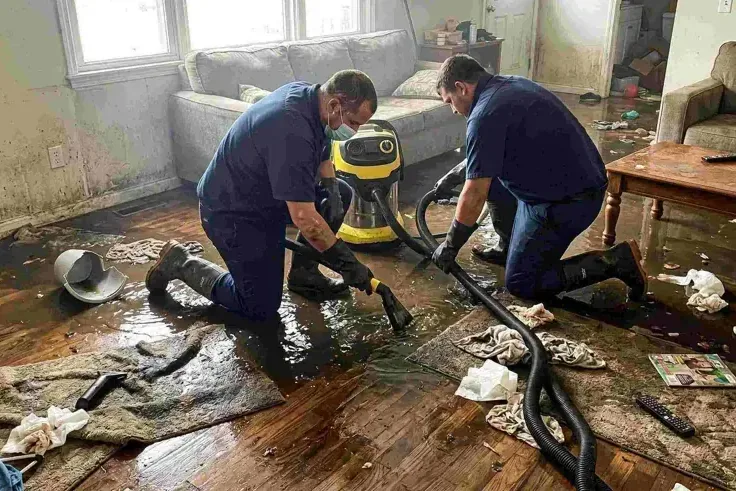 Water Extraction and RemovalStanding water comes off floors and out of carpet first, so drying can begin.
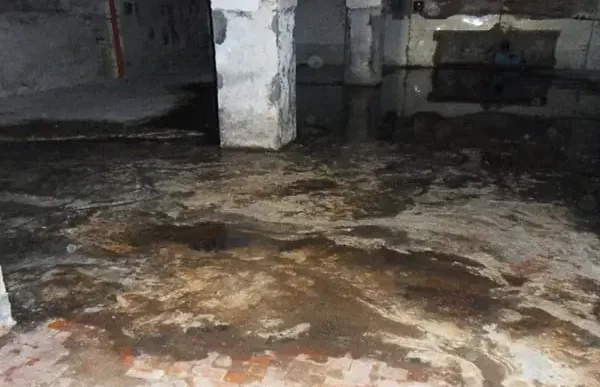 Basement Flooding CleanupWhere a home has a basement, water is pumped out, wet materials removed and the space dried.
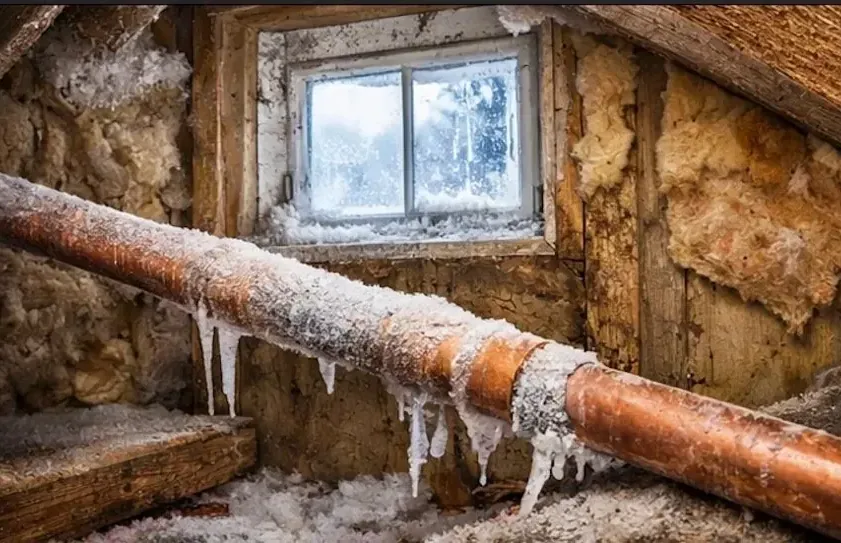 Frozen Pipe Water DamageA hard freeze can split a pipe in a wall, and the thaw sends water into unseen rooms.
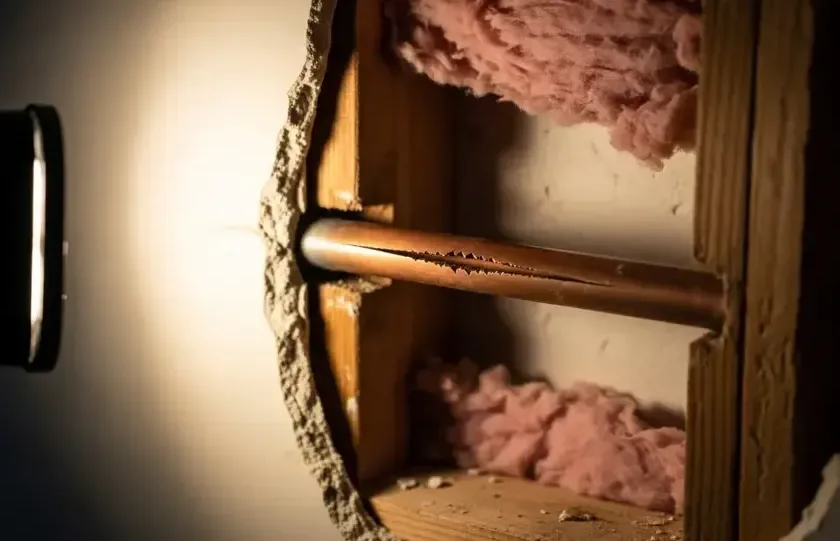 Burst Pipe Water DamageA burst supply pipe soaks walls, ceilings and floors fast, so the shutoff comes first.
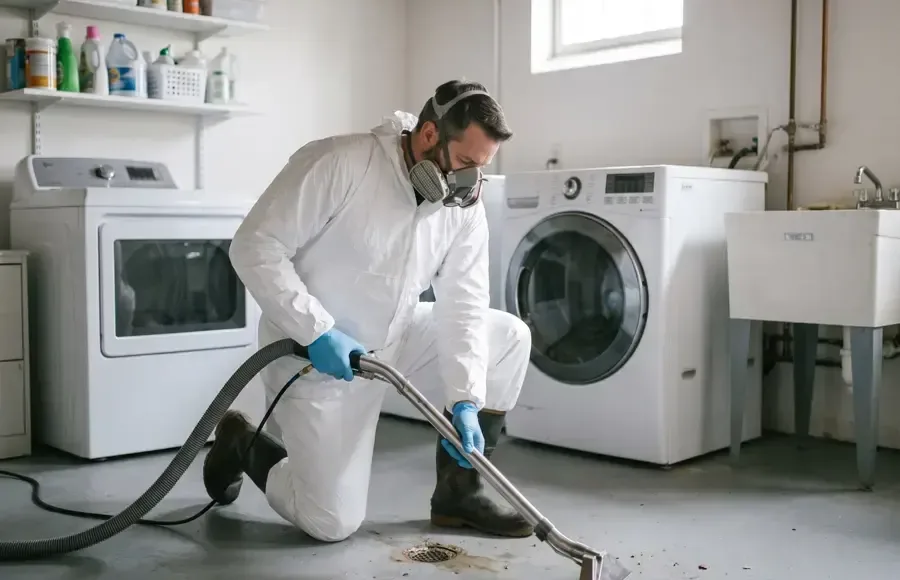 Sewage Backup CleanupA backed up drain means contaminated water, so the area is isolated and porous materials are removed.
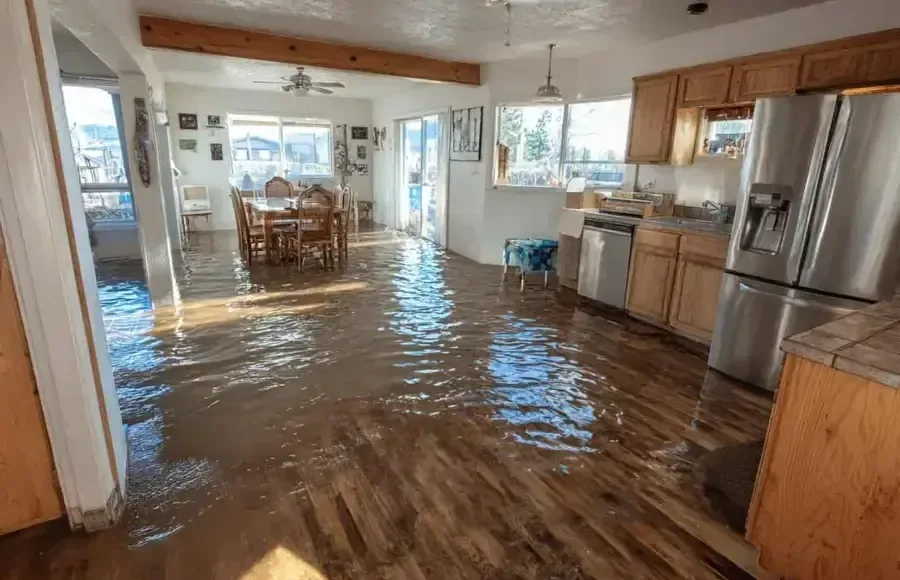 Coastal and Tidal Flood CleanupStorm flooding is cleaned up the same way: water out, soaked materials removed, the rest dried.
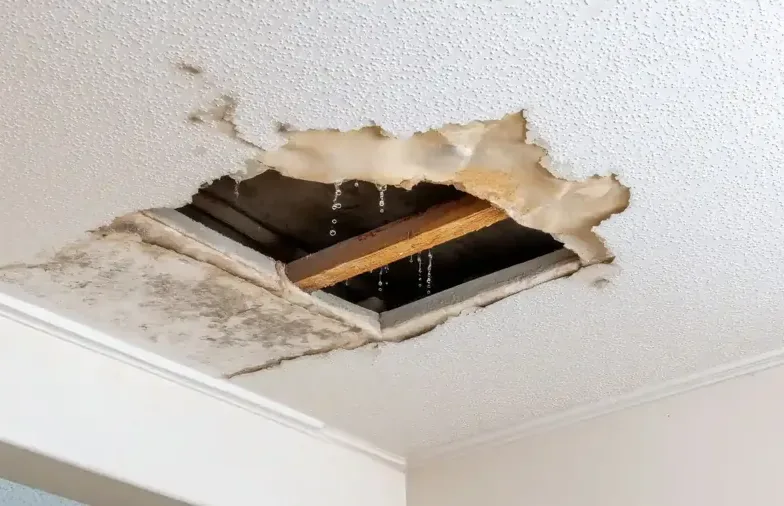 Roof Leak and Ice Dam Water DamageRain or melting snow through a roof wets insulation and ceilings before anyone sees a stain.
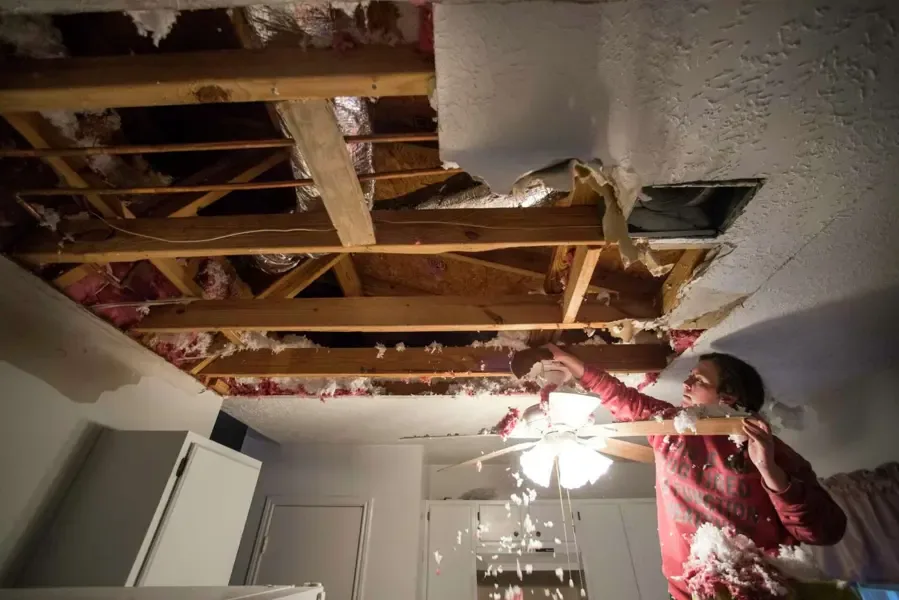
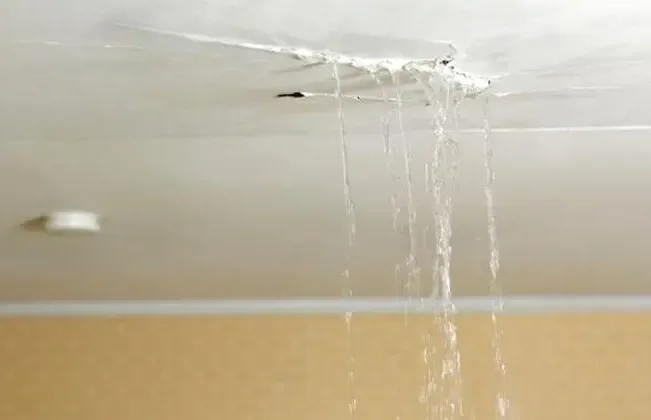 Ceiling Leak Water DamageA ceiling stain can trace to the roof, a pipe or the unit above.
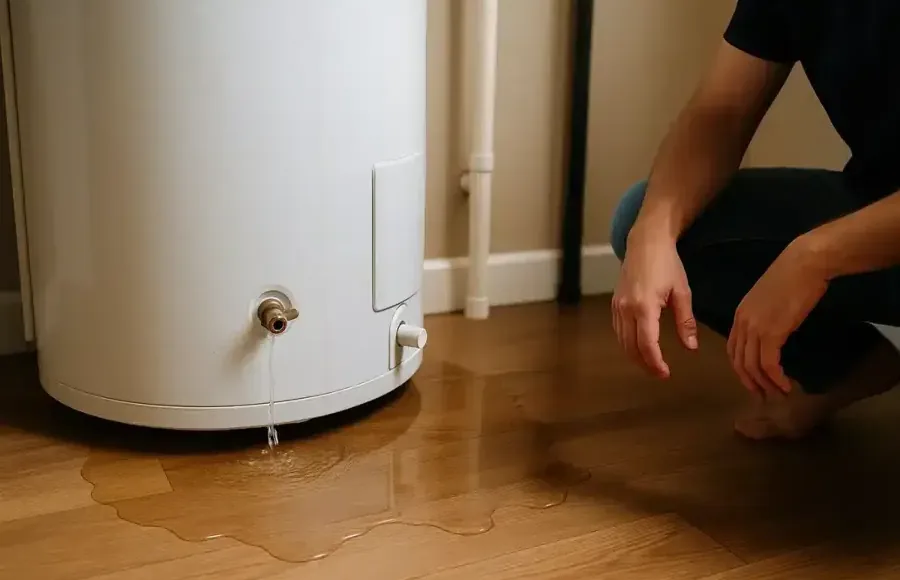 Water Heater Leak CleanupA leaking tank can wet one closet floor or several apartments, depending on where it sits.
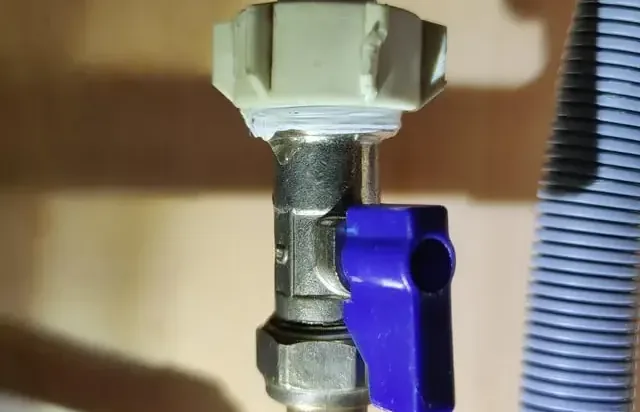 Appliance and Washer Hose LeaksWasher hoses, dishwasher supplies and ice maker hoses leak quietly until floors or cabinets show it.
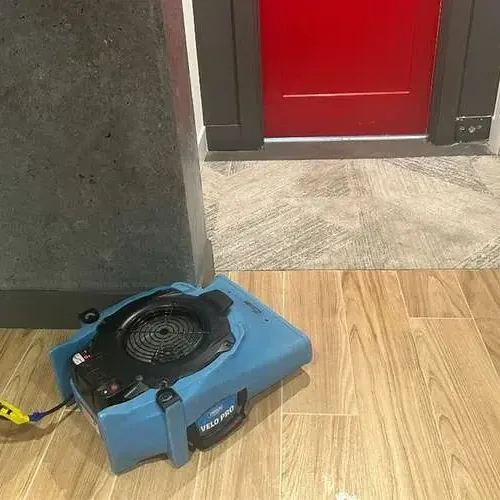
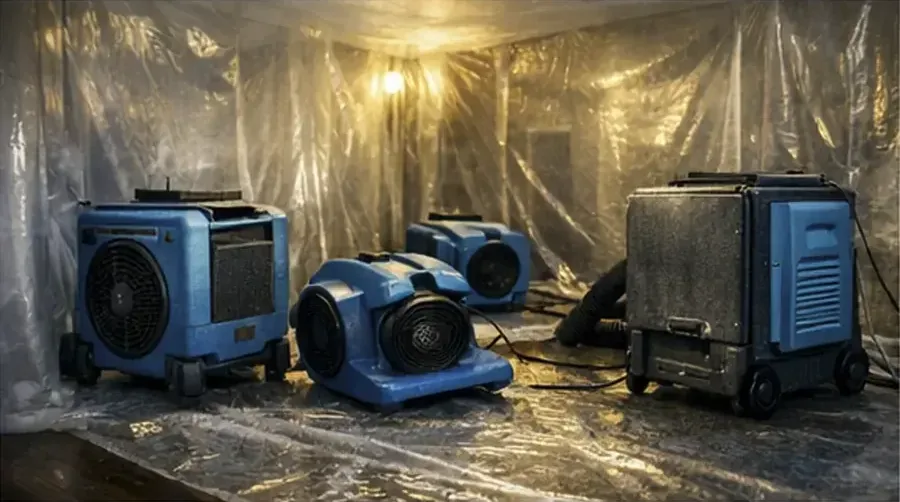
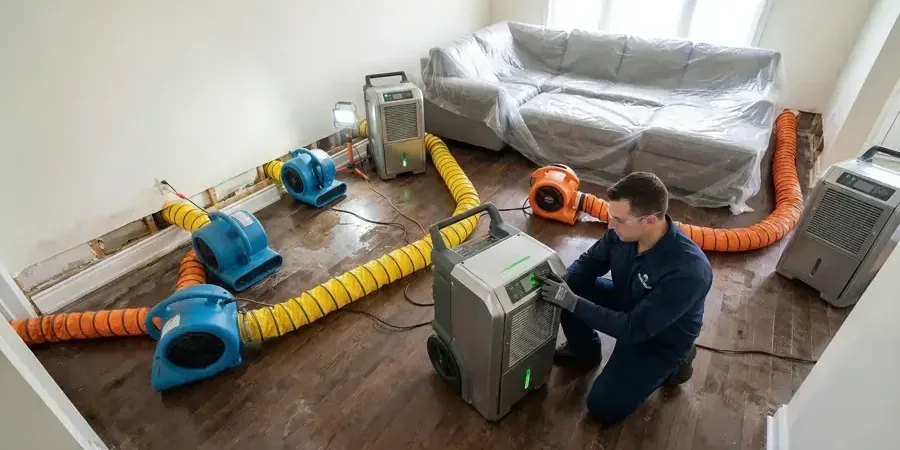 Structural Drying and DehumidificationAir movers and dehumidifiers pull moisture from framing, subfloors and walls until readings match dry areas.
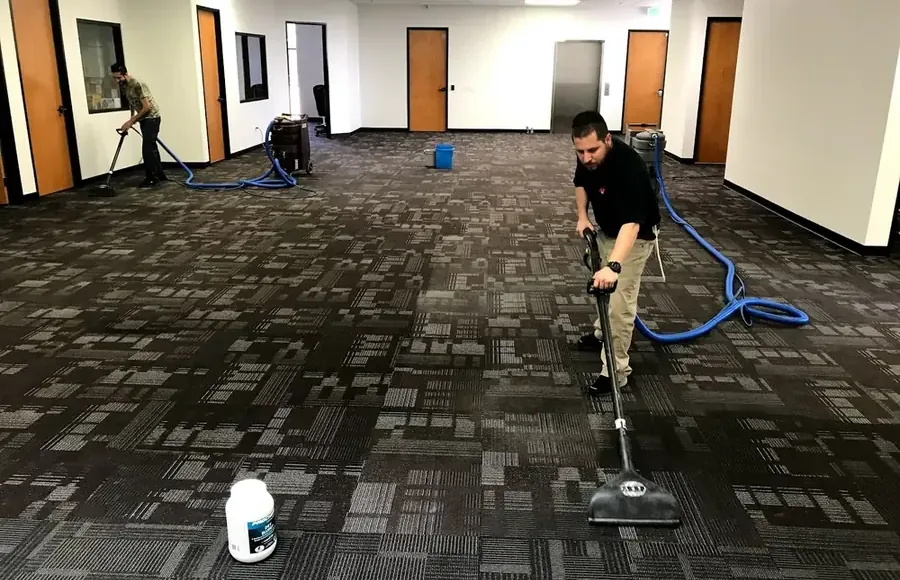 Commercial and Apartment Water DamageShops, offices and apartment buildings get drying plans built around occupied space and shared walls.
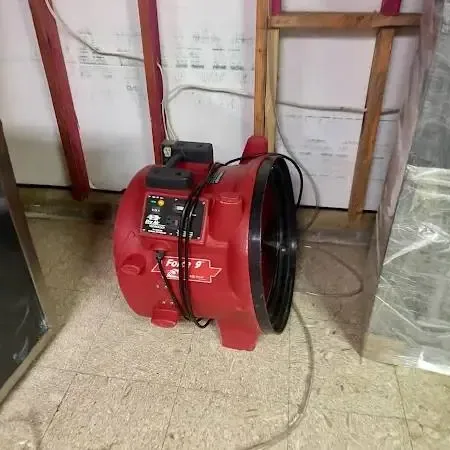
Older homes and shared walls change the drying plan
Census figures list Malden's median home at a 1950 build year, with about 45% of units built in 1939 or earlier, so drying plans start from the age of the building.
Mixed building types
The city has 6,622 detached single-family homes beside 5,987 units in 2-unit buildings, so one plan rarely fits the next job.
Many renters
About 59% of occupied homes are rented, which often means finding the right unit and the right contact before work begins.
Larger buildings
With 4,831 units in buildings of 50 or more units, drying can involve shared walls, floors and common spaces.
Documented work
Moisture readings and photos are logged on each visit, so the insurer and the property manager see the same record.
Dry to a number, not a guess
Drying equipment stays until moisture readings in wet materials match unaffected areas of the same building, and each reading is written down for the file.
- 1
Find the water
Moisture meters and a thermal camera trace wet areas past what the eye sees, including behind baseboards and under flooring.
- 2
Remove what cannot dry
Soaked carpet pad, swollen drywall and insulation holding water are cut out and bagged, which also opens cavities to air.
- 3
Set the equipment
Air movers and dehumidifiers go where they carry wet air out of the structure, and the layout shifts as readings change.
- 4
Confirm and record
Final readings are compared with dry reference points and written into the job record before equipment comes out.
- Moisture readings logged
- Hidden wet spots checked
- Dry goals set by material
Three ways water gets into a building here
- Slope runoff
Heavy rain runs downhill across hilly ground, and a home at the bottom of a slope can see water at a door or a low window.
- Drain backup
When storm drains and sewer pipes fill, water can rise through a floor drain, and that water is treated as contaminated.
- Inside plumbing
A failed supply pipe or hose in a 2-unit or larger building can wet every floor below with no storm outside.
Water from a sewer or drain backup, or from outdoor flooding that touched the ground, is Category 3. Porous materials it reaches, such as carpet and drywall, are usually removed.
Coastal and Tidal Flood Cleanup Water Extraction and Removal
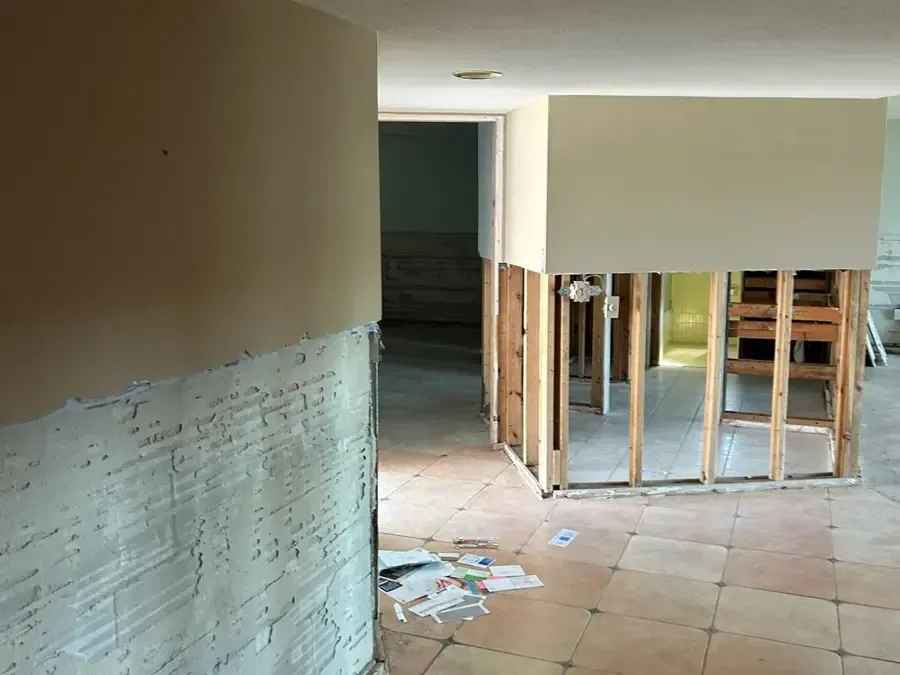
What does water damage restoration cost?
Most losses land in one of three bands, from $1,500 for a small leak caught early to $28,000 for a large or contaminated loss. The scope, the water category and the days of drying set the final number. A written scope is shared before work begins.
Ranges cover extraction, removal of wet materials and drying. Rebuilding finished surfaces is priced separately, and the water damage cost calculator gives a closer figure for a specific loss.
Clean, gray and black water are handled differently
Clean water source
A burst supply pipe, a failed hose or a leaking water heater starts as clean water, and quick extraction keeps it from turning gray as it sits in building materials.
Burst pipe cleanupGray water
Washer and dishwasher overflows carry soap and soil, so wet cabinet bases, flooring and drywall are removed sooner than they would be for clean water.
Appliance leak helpBlack water
Sewage or a backed up floor drain is contaminated from the first moment, so affected porous materials are removed and the area is sanitized and sealed off.
Sewage backup cleanupInsurance claims for water damage
Sudden water losses are often reported to a homeowner or renter policy, and the restoration team keeps the records an adjuster asks for.
- Photos of the source and every damaged room
- Moisture readings from each day of drying
- An itemized scope of the work performed
- A list of materials removed and why
- Receipts for equipment and emergency repairs
Renters and landlords
Because about 59% of occupied homes in Malden are rented, a tenant should tell the landlord right away, since the owner usually decides who calls and who pays for the dry-out.
A tenant with a renter policy can report personal belongings separately, and photos taken before anything is moved help every party.
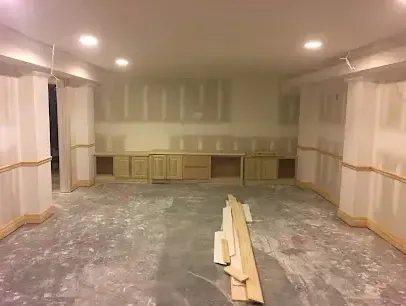
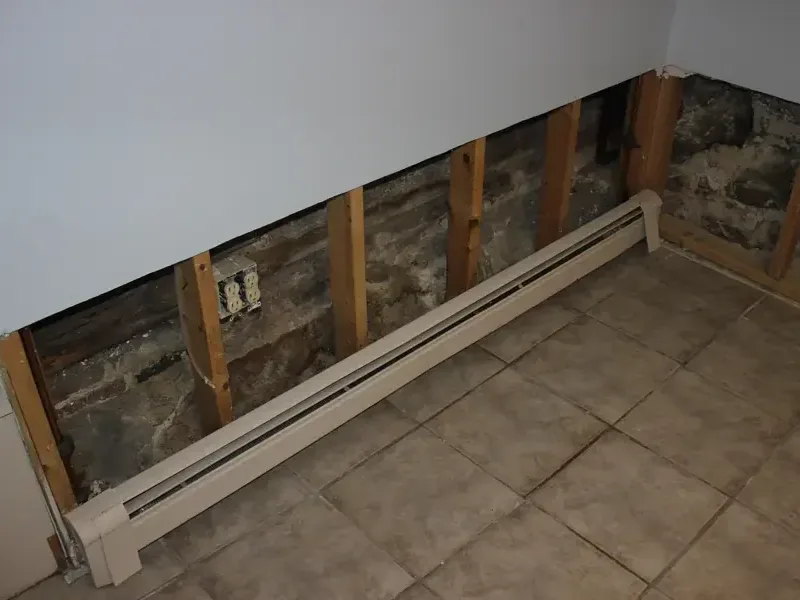
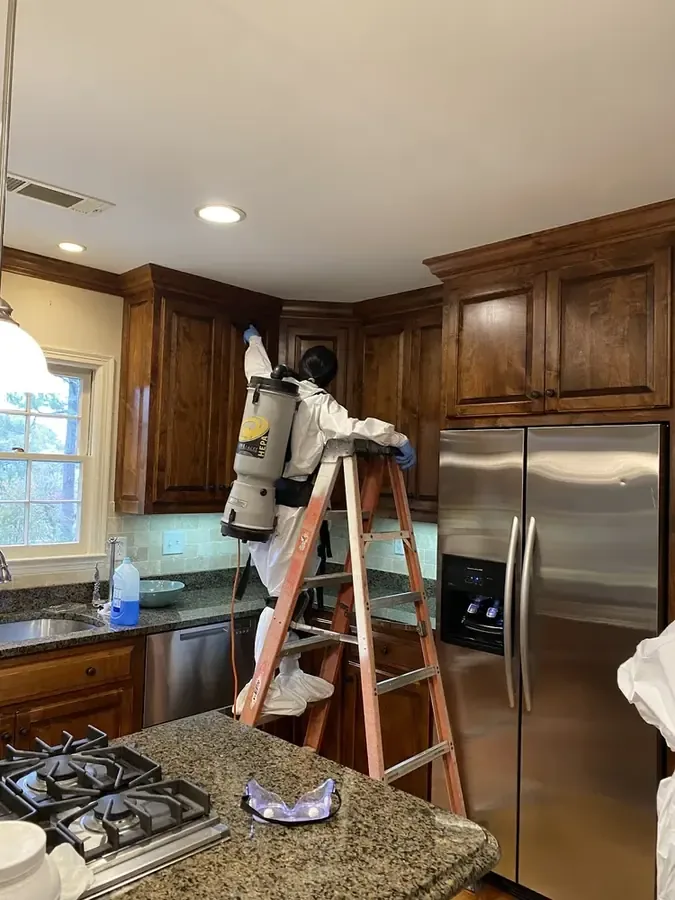
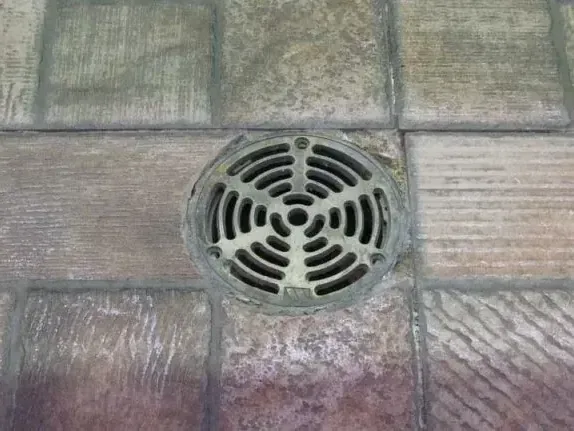
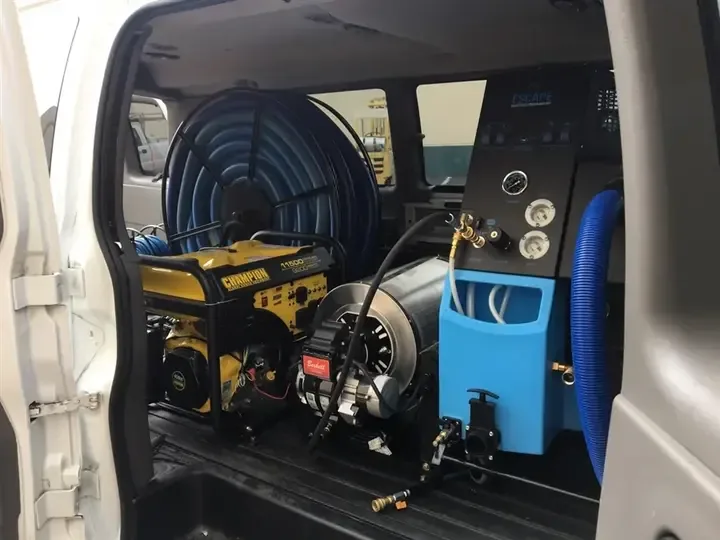
Drying jobs in progress, photo by photo
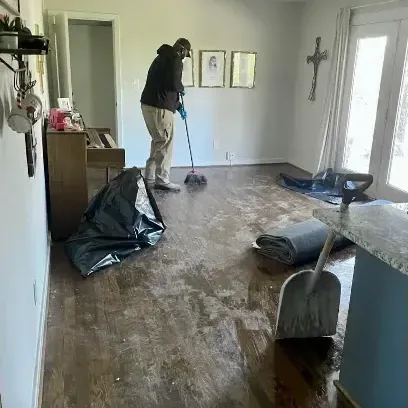
Water damage restoration across all of Malden
Neighborhoods covered
- Faulkner
- West End
- Edgeworth
- Linden
- Ferryway
- Forestdale
- Maplewood
- Bellrock
- Belmont Hill
Help in every part of the city
From Bellrock beside the Malden River to Edgeworth and the squares in between, the restoration team works in houses, 2-unit buildings and apartment buildings.
Streets near the Middlesex Fells Reservation and blocks beside the river get the same drying standard, with readings recorded for each room.
Talk to the drying team nowWhat puts Malden buildings at risk of water damage
Malden is hilly and wooded, drained by the Malden River, and its building stock is old and dense, so water damage here usually traces back to plumbing, drainage or roofs.
- Aging storm drains City stormwater reports to the EPA describe repairs to drainage and sewer pipes more than a century old, a reminder that buried pipe wears like anything else.
- Hills and low spots The city drains toward the Malden River, so rain runs downhill and a home at the bottom of a slope can take on water first.
- Older buildings About 45% of units date to 1939 or earlier, and supply pipes, drains and roofs that have aged in place are more likely to fail.
- Shared walls and floors With 5,987 units in 2-unit buildings and 3,380 in 3-or-4-unit buildings, a leak in one home often reaches the ceiling or wall of the next.
- Large apartment buildings Buildings of 50 or more units hold 4,831 homes, where a failed riser or a roof leak can wet several floors before anyone upstairs notices.
Census 2020 to 2024 Census estimates count 27,876 housing units, with 12,572 of them built in 1939 or earlier, so drainage, plumbing and roofs in many buildings are decades old.
Common water damage questions
Water in the building right now?
Water spreads into walls the longer it sits, and mold can start in 24 to 48 hours, so calling early keeps the job smaller.
Call for water removal nowHow soon should water be removed from a building?
Right away, once the space is safe. Water soaks into drywall, subfloors and framing, and mold can start in 24 to 48 hours, so extraction and drying should begin early. The longer it sits, the more material has to come out.
Does insurance pay for water damage restoration?
It depends on the policy and the cause. A sudden event such as a burst pipe is commonly covered, while a slow leak or outside flood often is not. Photos and daily moisture readings support the claim.
Who should be called first in a rented unit?
The landlord or building manager should be told right away, because the owner usually has to approve work on the building. The tenant should still photograph the damage and move small valuables.
What separates clean, gray and black water?
Clean water comes from a supply pipe or hose, gray water carries soap or soil from an appliance, and black water is sewage or flood water that touched the ground. Each category sets how much material is removed.
Can a flooded basement be dried without removing walls?
Sometimes. Where a home has a basement, a bare floor can often be pumped and dried, but wet carpet, pad and lower drywall usually come out because they hold water and cannot be cleaned.
Where does a ceiling stain come from?
It can come from the roof, a pipe in the ceiling or the unit above. In a 2-unit building, a stain in one home can start in the neighbor's bathroom or kitchen, so the source is traced before repair.
How long do drying machines stay in place?
They stay until moisture readings in the wet materials match dry reference areas, which varies by material and building. The team checks readings during visits and records each one in the job file.
Is a sewage backup handled differently?
Yes. Sewage is Category 3 water, so the area is isolated, porous materials it touched are removed, and surfaces are cleaned and sanitized with protective gear in use throughout the work.
Why do older buildings take more care?
Buildings from earlier decades can have layered floors, tight wall cavities and aging plumbing, so moisture hides in more places. With 45% of local units built in 1939 or earlier, readings are taken in extra spots.
Does the work include rebuilding afterward?
The service covers extraction, removal of wet materials, drying and cleanup. New drywall, paint and flooring are rebuild work, which is quoted on its own once the structure is dry. See the drying time estimator.
Water in your Malden building? Call now
The drying team starts with the source, the water category and a plan for every room the water reached.
(888) 629-3140Start the dry-out call