Coastal and Tidal Flood Cleanup in East Boston, MA
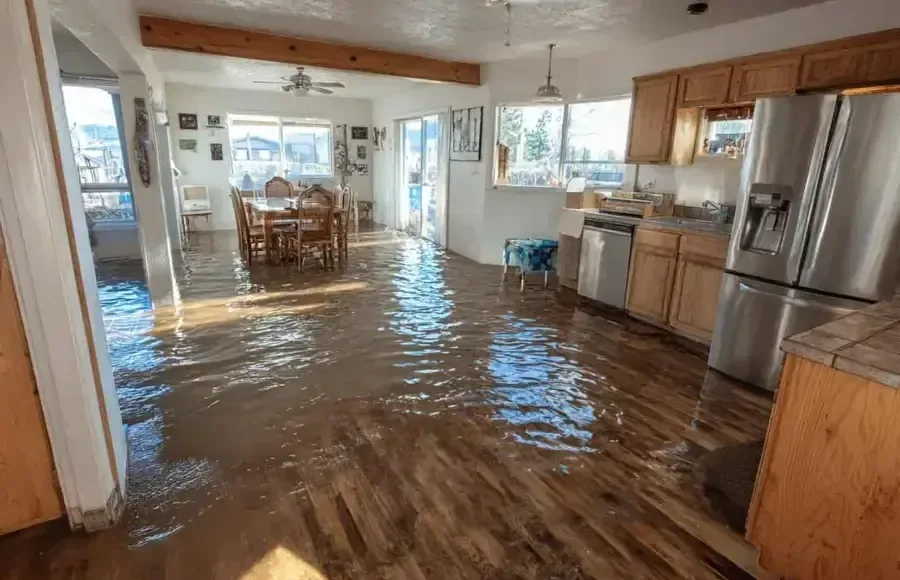
East Boston is surrounded by Boston Harbor and Chelsea Creek, and a storm tide can push water well inland. The response team extracts the flood water, removes silt and dries what remains.
(888) 629-3140Flood water in the building? Start the cleanup- Flood water extracted and silt removed
- Wet materials stripped back
- Dry-out checked with meters
First moves after coastal and tidal flood cleanup
Safety comes first: stay clear of standing water near outlets, any sewage odor and sagging ceilings, and call before going closer.
- 1
Wait for safe entry
Do not enter until the water has receded, the power is off and the structure is sound.
- 2
Extract and clear
The crew pumps out standing water and vacuums silt from floors and corners.
- 3
Strip what soaked
Porous materials, drywall and flooring touched by flood water are cut out and bagged.
- 4
Clean and dry
Surfaces are treated, then dehumidifiers and air movers run to meter readings.
What does coastal and tidal flood cleanup cost in East Boston, MA?
Flood cleanup scales with depth and with how much of the building the water reached. An unfinished lower level often falls at $4,000 to $10,000, while one that reached the first floor can run to $45,000.
These ranges reflect typical jobs and are not a quote. Water category, square footage, material class and how soon drying began drive the total; the water damage cost calculator gives a closer range and the walkthrough sets the scope.
Coastal and Tidal Flood Cleanup handled to the drying standard
Extract
Flood water leaves by pump.
Clear
Silt and debris are removed.
Treat
Surfaces are cleaned and treated.
Dry
Equipment runs until readings settle.
How a coastal and tidal flood cleanup dry-out moves from wet to dry
- 1
Find every wet spot
Infrared scans and moisture meters mark where the water went before any equipment is placed.
- 2
Get the water up
Extraction wands and pumps clear floors and pad first, since leftover water only stretches the drying.
- 3
Dry the air and the structure
Air movers sweep moisture out of walls and subfloor while LGR dehumidifiers pull it from the room.
- 4
Confirm it with numbers
Readings are taken daily against dry material, and the job closes when they agree within 2 to 4 points.
Water from a harbor tide or a storm surge carries salt, silt and whatever it passed through, so it is cleaned up as contaminated flood water, not as a simple leak. East Boston is surrounded by Boston Harbor and Chelsea Creek, which puts coastal flooding on the list of hazards worth planning for.
What the January 2018 storm tide showed
During the January 2018 blizzard, Boston recorded a storm tide of 15.16 feet, beating the record set in the Blizzard of 1978, and the water flooded parts of the financial district, including a subway station. Those are Boston-wide facts, not a record of any East Boston street, but they show how far harbor water can travel inland.
What flood water leaves behind
- Silt and grit settled on floors and under furniture
- Wet drywall, insulation and flooring that must come out
- Appliances and utilities that need inspection before use
- Stored items that soaked up the water
The utility adds that increased wet weather combined with storm surge can overwhelm existing infrastructure and cause localized flooding.
Cleanup after the tide drops
Once the water has receded and the building is safe to enter, the extraction crew removes standing water, vacuums silt and cuts out porous materials. Surfaces are cleaned and treated, then dried with dehumidifiers and air movers until the readings say it is time to rebuild. Lower areas follow the steps under basement flooding cleanup.
Coastal and tidal flood cleanup across East Boston, MA
Flood work covers the harbor edge and the inland blocks alike, from Jeffries Point and Maverick Square to Bayswater, Wood Island, Orient Heights and the area near Constitution Beach.
The same service nearby: coastal and tidal flood cleanup in Chelsea, Charlestown, Everett.
Water damage restoration in East Boston · every area covered
Coastal and Tidal Flood Cleanup questions in East Boston, MA
Water still coming through?
Harbor flood water in the building? Call now, any hour.
Pull the harbor water outIs flood water from the harbor contaminated?
Treat it as Category 3. Flood water carries silt, bacteria and whatever it crossed on the way in, so protective gear and removal of porous materials are standard. Events with sewage in the water follow sewage backup cleanup.
What did the January 2018 storm tide do in Boston?
A storm tide of 15.16 feet was recorded, beating the 1978 record, and it flooded parts of the financial district, including a subway station. East Boston street impacts are not confirmed.
Can wet insulation and drywall stay in place?
Not after flood water. Both soak up contamination and stay damp for a long time, so they are cut out and replaced after the framing is dried.
How does wet weather cause flooding?
The Boston Water and Sewer Commission says increased wet weather combined with storm surge can overwhelm existing infrastructure and cause localized flooding in Boston.
How long does a flood dry-out take?
It depends on how deep the water got and what it soaked. Equipment stays until meters match a dry reference, which can take several days.
Flood water is still sitting in the building. Start clearing it.
The response team extracts the water, clears the silt and dries the structure to meter readings before rebuilding.
(888) 629-3140Get the building dry